Author: admin

  • How to Reduce RF Exposure at Home: A Beginner’s Guide to Safer Living
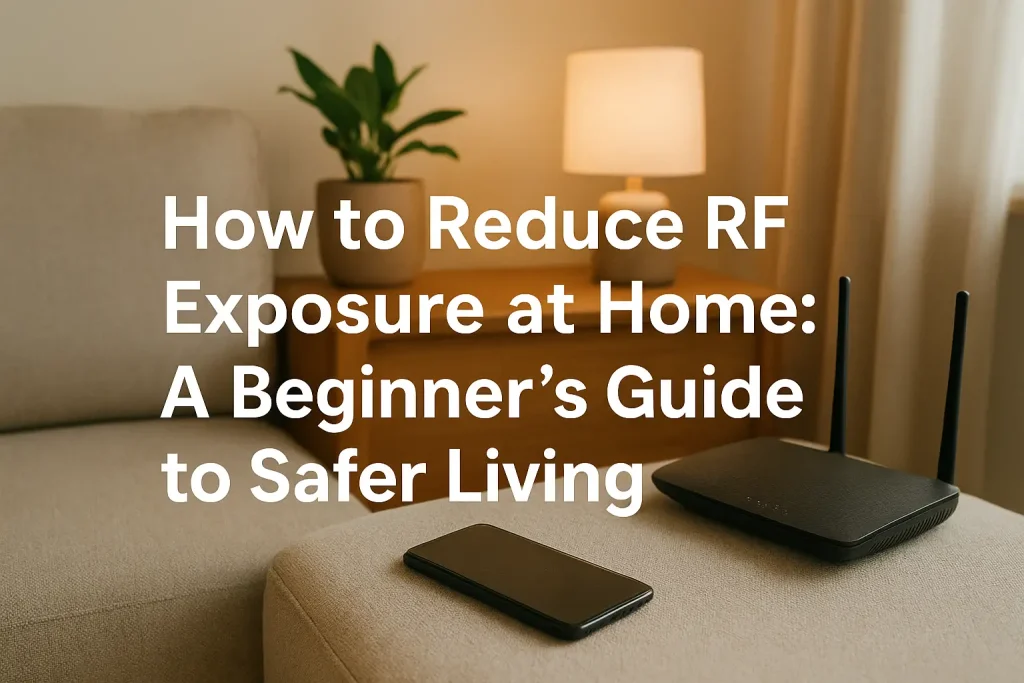
    How to Reduce RF Exposure at Home: A Beginner’s Guide to Safer Living

    In today’s hyper-connected world, our homes are filled with wireless technology. From Wi-Fi routers and smart TVs to Bluetooth devices and cell phones, we’re surrounded by invisible waves of energy known as radio frequency (RF) radiation. While research on long-term health effects is ongoing, many people are becoming cautious and looking for ways to create a healthier living environment.

    This beginner-friendly guide will walk you through how to reduce RF exposure at home, explain why it matters, and provide simple, practical steps to minimize your exposures without giving up the conveniences of modern technology.

    Understanding RF Exposure

    Before diving into solutions, let’s break down what RF exposure actually means.

    What is RF Radiation?

    Radio frequency radiation is a type of non-ionizing electromagnetic field (EMF) emitted by wireless devices such as cell phones, Wi-Fi routers, cordless phones, baby monitors, and smart home devices. Unlike ionizing radiation (like X-rays), RF radiation does not break chemical bonds but can still interact with the body in subtle ways.

    Why Should You Care?

    Although government safety standards exist, some studies suggest potential links between prolonged RF exposure and health concerns like sleep disturbances, headaches, and fatigue. More research is needed, but if you’d like to take a proactive approach, reducing exposure is a safe and practical choice.

    Common Sources of RF in Your Home

    Awareness is the first step. Here are the most common sources of RF radiation you’ll likely find indoors:

    • Wi-Fi Routers – Constantly transmitting signals, especially when left on 24/7.
    • Cell Phones – Emit RF radiation during calls, streaming, and even when idle but connected.
    • Cordless Phones – Base stations continuously send out strong RF signals.
    • Smart Devices – Smart TVs, speakers, thermostats, and security systems all contribute.
    • Baby Monitors – Many models use continuous wireless signals.
    • Bluetooth Devices – Headphones, earbuds, and wearables add to your RF environment.

    Once you know the culprits, you can make informed decisions to reduce your exposure.

    Simple Lifestyle Changes to Reduce RF Exposure

    1. Limit Wireless Use

    The easiest way to reduce RF exposure is by cutting down on unnecessary wireless usage. For example:

    • Turn off Wi-Fi when not in use, especially overnight.
    • Use wired internet (Ethernet cables) whenever possible.
    • Download content ahead of time instead of streaming constantly.

    2. Keep Distance

    RF exposure decreases significantly with distance. Try:

    • Keeping your phone away from your body when not in use.
    • Use speakerphone or wired headsets instead of holding the phone to your ear.
    • Place Wi-Fi routers in less frequently occupied areas of your home.

    3. Rethink Bedtime Habits

    Your body restores itself during sleep, so minimizing RF exposure at night is particularly important.

    • Avoid sleeping next to your phone; keep it in another room or at least several feet away.
    • Turn off your Wi-Fi router overnight with a simple timer switch.
    • Consider using a battery-powered alarm clock instead of your phone.

    Device-Specific Tips

    Reducing RF from Cell Phones

    • Text instead of calling when possible.
    • Keep calls short.
    • Avoid carrying your phone directly against your body, like in a pocket or bra.

    Lowering Wi-Fi Exposure

    • Replace wireless internet with wired connections where practical.
    • If wireless is necessary, upgrade to a router with a low-emission setting.
    • Position the router away from bedrooms and main sitting areas.

    Managing Smart Home Devices

    • Turn off smart features you don’t need.
    • Choose wired alternatives for speakers, lights, and security systems.
    • Update device firmware regularly, since newer models often have improved safety features.

    Creating an RF-Conscious Home Environment

    Use Shielding Products (Cautiously)

    There are shielding paints, fabrics, and cases designed to block RF radiation. While these can be helpful, they should not replace lifestyle changes. Overreliance on shielding can sometimes increase exposure by causing your devices to emit more power to maintain connections.

    Embrace Wired Technology

    Wired connections are not only safer from an RF perspective but also more reliable and secure. Switching to wired keyboards, mice, and speakers can gradually reduce your wireless footprint.

    Educate Family Members

    If you share a home, reducing RF exposure works best when everyone is on board. Teach kids to keep tablets on airplane mode when playing games offline, and encourage teens to avoid sleeping with phones under their pillows.

    When to Consider Professional Help?

    If you want a clearer picture of your home’s RF environment, consider consulting a professional who specializes in EMF assessments. They can use specialized equipment to measure exposure levels in different rooms and recommend tailored solutions. This is especially useful if you live near cell towers or in apartment buildings with multiple Wi-Fi networks.

    Balancing Technology and Health

    It’s important to remember that technology itself isn’t the enemy. Wireless connectivity brings incredible convenience, productivity, and entertainment to our lives. The goal is not to live in fear of RF radiation but to take smart, manageable steps to reduce unnecessary exposure.

    By being intentional—turning off devices when not in use, keeping some distance, and using wired alternatives where practical—you can create a healthier, lower-exposure home without sacrificing modern comforts.

    Conclusion

    Learning how to reduce RF exposure at home doesn’t mean abandoning technology; it means using it wisely. Start small with changes like turning off Wi-Fi at night, keeping your phone away from your body, and swapping some wireless gadgets for wired options. Over time, these habits add up to a safer, more balanced living environment.

    If you’re looking for a more precise understanding of your home’s exposure levels, radio frequency EMF testing can provide valuable insights and peace of mind. With awareness, practical action, and the right tools, you can take control of your indoor environment and support a healthier lifestyle for you and your family.

    Frequently Asked Questions:-

    1. What is RF exposure and why should I care?

    • RF exposure refers to the radio frequency radiation emitted by wireless devices like Wi-Fi routers, cell phones, and smart home gadgets. While it’s non-ionizing and less harmful than X-rays, some studies suggest long-term exposure may contribute to issues like poor sleep, headaches, or fatigue. Taking simple precautions helps create a safer home environment.

    2. Does turning off Wi-Fi at night really make a difference?

    • Yes. Wi-Fi routers transmit continuously, even when you’re not actively using the internet. Turning them off at night gives your body several hours of reduced exposure while you sleep, which is when your body repairs and restores itself.

    3. Are shielding products like EMF cases and fabrics effective?

    • They can reduce exposure in certain situations, but they shouldn’t replace lifestyle changes. In some cases, shielding products may even cause devices to work harder and increase emissions. The best approach is to use shielding cautiously, combined with practical steps like distance and wired connections.

    4. Is it safe for children to use tablets and phones?

    • Children are more vulnerable because their bodies and brains are still developing. It’s best to limit wireless use, encourage airplane mode when possible, and keep devices away from their heads and bodies. Wired alternatives for internet use are always safer.

    5. How can I know my home’s RF exposure levels?

    • The most accurate way is through radio frequency EMF testing performed by professionals using specialized equipment. They can identify hotspots in your home and suggest tailored solutions to minimize exposure effectively.
  • How to Reduce RF Exposure at Home with Smarter Tech Habits
    How to Reduce RF Exposure at Home with Smarter Tech Habits

    In today’s world, our homes are filled with smart devices, wireless gadgets, and internet-connected appliances. While this technology makes life more convenient, it also exposes us to radio frequency (RF) radiation from Wi-Fi routers, smartphones, smart TVs, tablets, and even wearable tech. Many people are now asking the important question: how can we enjoy modern technology without unnecessary RF exposure?

    This blog explores how to reduce RF exposure at home with smarter tech habits—practical, achievable steps that protect your well-being while keeping your lifestyle modern and connected.

    Understanding RF Exposure

    RF exposure comes from radiofrequency electromagnetic fields (EMFs), a type of non-ionizing radiation used to transmit data wirelessly. Unlike X-rays or gamma rays, RF waves don’t have enough energy to break DNA directly. However, prolonged exposure is a growing concern for some health experts due to potential biological effects, particularly with the constant use of wireless devices.

    Common sources of RF radiation in the home include:

    • Wi-Fi routers and mesh networks
    • Smartphones, tablets, and laptops
    • Smart home devices like voice assistants, cameras, and thermostats
    • Bluetooth headphones, speakers, and wearables
    • Microwave ovens (though usually shielded well)

    While it’s almost impossible to eliminate RF radiation completely, you can reduce your exposure significantly with smarter daily habits.

    Why Should You Care About Reducing RF Exposure?

    Even though research on long-term health risks is ongoing, many people choose to take a precautionary approach. Here are a few reasons why it makes sense to be proactive:

    • Better Sleep Quality – Constant EMFs can interfere with melatonin production, a hormone that regulates sleep.
    • Reduced Stress Levels – Some people report headaches, fatigue, or brain fog when exposed to strong RF signals for extended periods.
    • Children’s Health – Kids absorb more radiation due to thinner skulls and developing bodies.
    • Peace of Mind – Taking steps now means you’re minimizing unnecessary risks, even if science hasn’t fully caught up.

    Smarter Tech Habits to Reduce RF Exposure

    Here are practical strategies to cut down on RF radiation at home without giving up modern conveniences.

    1. Manage Your Wi-Fi Wisely

    • Turn Off Wi-Fi at Night: Your body doesn’t need internet access while sleeping. Use a simple timer plug to automatically shut it off.
    • Use Wired Connections When Possible: Ethernet cables are faster, more secure, and radiation-free. Consider connecting your desktop or TV directly to the router.
    • Position Your Router Strategically: Keep routers away from bedrooms or high-use sitting areas. Distance reduces exposure dramatically.

    2. Create Tech-Free Sleep Zones

    • No Phones by the Bed: Use an old-fashioned alarm clock instead.
    • Airplane Mode Overnight: If you need your phone nearby, switch it to airplane mode to cut off RF transmissions.
    • Shielding Options: Some people use EMF shielding canopies or fabrics around their beds, though even small changes like distance help.

    3. Rethink Smartphone Habits

    • Use Speakerphone or Wired Headsets: This keeps the device away from your head.
    • Text Instead of Calling: Sending quick messages reduces call-related exposure.
    • Avoid Body Contact: Don’t carry your phone directly against your body—in a pocket or bra, for example. Use a bag or keep it on a table instead.

    4. Smart Placement of Smart Devices

    • Keep Smart Appliances at a Distance: Don’t install smart hubs, speakers, or Wi-Fi cameras in your bedroom.
    • Disable Features You Don’t Use: Turn off Bluetooth, location services, or Wi-Fi scanning when unnecessary.
    • Batch Device Use: Instead of having multiple devices always-on, manage when they’re active.

    5. Embrace Wired Alternatives

    • Wired Keyboards and Mice: Reduce constant Bluetooth exposure.
    • Corded Headphones: Opt for classic wired earbuds over wireless ones.
    • Landline Phones: Still practical for long home conversations.

    6. Limit Kids’ Exposure

    • Encourage Offline Play: Balance screen time with outdoor activities.
    • Download Media First: Let kids watch videos offline rather than streaming.
    • Child-Safe Zones: Make bedrooms and playrooms Wi-Fi-free when possible.

    7. Minimize Bluetooth Use

    Bluetooth devices constantly emit RF signals, even when not actively transferring data. Consider these swaps:

    • Use a wired fitness tracker if possible, or sync your wearable once a day instead of continuously.
    • Replace wireless speakers with wired connections when at home.
    • Choose wired controllers for gaming consoles.

    8. Turn Off What You Don’t Need

    • Airplane Mode for Tablets: Kids often use tablets for games or reading—no need for Wi-Fi to be on.
    • Smart TV Settings: Disable constant data-syncing features if you don’t use them.
    • Home Office Check: Power down unused laptops, printers, or hotspots when not in use.

    9. Use EMF-Friendly Home Design

    • Router on a Timer: Automatically cut exposure during downtime.
    • Bedrooms as Low-EMF Zones: No smart TVs, no routers, no wireless printers.
    • Shielding Paint or Films: For people in high-exposure environments (like apartments near cell towers), shielding materials can add another layer of protection.

    10. Adopt a “Distance First” Mindset

    A simple rule: distance equals safety. Even moving a device a few feet away drastically lowers your exposure. For example:

    • Sitting 6 feet from your Wi-Fi router instead of 2 feet can cut exposure significantly.
    • Using your laptop on a desk instead of your lap reduces direct body contact.
    • Watching movies on a TV screen instead of holding a phone close for hours helps limit RF absorption.

    Practical Daily Routine for Lower RF Exposure

    Here’s how an average day could look with smarter tech habits:

    • Morning: Phone on airplane mode overnight, Wi-Fi turns on automatically at 7 AM via timer. You check messages after breakfast.
    • Work Hours: Laptop connected with Ethernet cable. Phone on desk (not in pocket), Bluetooth off.
    • Evening: Family movie downloaded beforehand to avoid streaming. Kids play board games before bed.
    • Night: Wi-Fi router switches off automatically, all devices in airplane mode or powered down. Bedroom is a calm, tech-free zone.

    By building small habits like these, you’ll naturally reduce RF exposure without sacrificing modern comforts.

    Taking a Balanced Approach

    It’s important to remember that technology itself isn’t “bad.” Smartphones, Wi-Fi, and smart home devices bring immense convenience and connectivity. The key is using them intentionally rather than letting them run constantly without thought.

    Just like with diet or exercise, balance is everything. You don’t need to throw away all your wireless devices—you just need to manage them wisely.

    Conclusion:-

    Learning how to reduce RF exposure at home doesn’t mean living in the dark ages. It’s about making thoughtful choices: turning off Wi-Fi when not needed, placing routers away from bedrooms, choosing wired connections when possible, and encouraging screen-free time for children.

    If you’re concerned about your household’s exposure levels, consider professional radio frequency EMF testing to get an accurate picture of your environment. That way, you can take targeted actions with peace of mind.

    By adopting these smarter tech habits, you’ll create a healthier home environment while still enjoying the benefits of modern living.

    Frequently Asked Questions:-

    1. What are the main sources of RF exposure at home?

    • The biggest sources include Wi-Fi routers, smartphones, tablets, smart TVs, Bluetooth devices, and smart home appliances such as speakers or cameras.

    2. Does turning off Wi-Fi at night really make a difference?

    • Yes. Since most people spend 6–8 hours sleeping, switching off your Wi-Fi router at night can significantly cut down your overall daily RF exposure.

    3. Is it safer to use wired connections instead of wireless?

    • Absolutely. Wired connections like Ethernet cables provide faster, more stable internet access without emitting radiofrequency radiation.

    4. How can I reduce my child’s RF exposure?

    • Encourage more offline activities, limit streaming by downloading videos in advance, and keep Wi-Fi routers and smart devices out of bedrooms or play areas.

    5. Do I need professional testing to check RF levels at home?

    • Not necessarily, but professional radio frequency EMF testing can give you a clearer understanding of your exposure and help you take more targeted actions.
  • EMF Exposure Risks and How Waterford Residents Can Stay Safe
    EMF Exposure Risks and How Waterford Residents Can Stay Safe

    In today’s world, we’re surrounded by technology that makes our lives easier and more connected. Electromagnetic fields (EMFs) are ubiquitous, ranging from cellphones and Wi-Fi routers to smart home gadgets and power lines. While most people don’t think twice about them, growing awareness about EMF exposure has raised questions about long-term health risks.

    For residents in Waterford, understanding EMF exposure risks and knowing how to stay safe is becoming increasingly important. This blog will break down what EMFs are, the potential health impacts, and the practical steps Waterford families can take to protect themselves.

    What Are EMFs?

    Electromagnetic fields (EMFs) are invisible zones of energy, also known as radiation, that are related with the usage of electricity and many types of natural and artificial illumination. EMFs are classified into two categories:

    • Low-frequency EMFs – Found in everyday household devices such as microwaves, TVs, and computers.
    • High-frequency EMFs – Typically associated with wireless technologies, including mobile phones, Wi-Fi routers, and 5G towers.

    While EMFs occur naturally (for example, from the sun), modern technology has significantly increased our daily exposure levels.

    Why EMF Exposure Is a Growing Concern

    Over the past few decades, EMF exposure has become a hot topic in scientific and public health discussions. Although research is ongoing, here are some reasons why EMFs are considered a potential health risk:

    • Possible Links to Sleep Disruption: EMFs may disrupt melatonin synthesis, making it difficult to fall and remain asleep.
    • Impact on Children: Children, with their developing bodies, may be more vulnerable to EMFs compared to adults.
    • Long-Term Health Uncertainty: Some studies suggest possible links between long-term EMF exposure and health conditions such as headaches, fatigue, and, in rare cases, certain cancers.

    The World Health Organization (WHO) classifies radiofrequency electromagnetic fields as “possibly carcinogenic to humans.” While this doesn’t confirm EMFs as harmful, it does suggest the importance of caution and monitoring.

    Sources of EMF Exposure in Waterford Homes

    Waterford, like many modern towns, has embraced technology and smart infrastructure. But with progress comes increased exposure. Common household and community sources of EMFs include:

    • Wi-Fi routers and modems
    • Smartphones and tablets
    • Microwave ovens
    • Bluetooth devices
    • Smart meters for utilities
    • Power lines near residential areas
    • 5G and mobile phone masts

    The challenge is not avoiding these technologies altogether—they’re essential to modern life—but learning how to reduce unnecessary exposure.

    Recognizing Symptoms of EMF Sensitivity

    Although EMF sensitivity is not formally recognized as a medical diagnosis, many individuals report experiencing symptoms when exposed to high EMF environments. Common complaints include:

    • Frequent headaches
    • Difficulty sleeping
    • Unexplained fatigue
    • Ringing in the ears
    • Trouble concentrating
    • Increased anxiety

    If you or someone in your family notices these symptoms consistently at home, it may be worth exploring an EMF survey. Professional EMF survey services Waterford can help identify hotspots and suggest safe solutions.

    How Waterford Residents Can Reduce EMF Exposure

    The good news is, while EMFs may be unavoidable, there are practical steps every household can take to reduce exposure.

    1. Limit Wireless Device Usage

    Encourage family members to limit unnecessary screen time, especially in the evenings. Switching devices to airplane mode during sleep hours can also reduce EMF emissions.

    2. Create an EMF-Free Sleep Zone

    Bedrooms are where our bodies rest and repair, making it critical to minimize EMF exposure. Simple changes such as keeping phones away from the bed, turning off Wi-Fi at night, and avoiding charging devices near the bed can make a big difference.

    3. Use Wired Connections Where Possible

    While wireless connections are convenient, wired alternatives (Ethernet cables) reduce EMF exposure. This is particularly useful in home offices or for students studying online.

    4. Keep Distance from Devices

    EMF strength decreases significantly with distance. Encourage children to use speakerphones or headsets for calls instead of holding the phone to their ear.

    5. Turn Off Devices When Not in Use

    Unplugging electronics and switching off Wi-Fi routers when they’re not needed is an easy way to lower exposure.

    6. Professional EMF Testing

    The most reliable way to understand EMF exposure levels in your home is through professional testing. Local specialists offering EMF survey services in Waterford can assess your property and recommend targeted actions for safety.

    Community Awareness in Waterford

    Waterford is a growing hub for families, businesses, and tech-driven lifestyles. As the use of smart meters, 5G, and renewable energy systems increases, so does EMF exposure.

    Community awareness campaigns can help residents stay informed and proactive. Schools, local councils, and businesses can play a role by encouraging safer technology practices and offering resources for EMF education.

    Debunking Common Myths About EMFs

    With so much information online, it’s easy to come across myths about EMFs. Let’s set the record straight on a few common misconceptions:

    Myth 1: EMFs are always dangerous.

    Truth: Not all EMFs are harmful. Natural EMFs from the earth and low-level household devices are generally considered safe. The concern lies in long-term, high-level exposure.

    Myth 2: You can eliminate EMF exposure.

    Truth: It’s nearly impossible to live in a modern world without EMFs. The goal is reduction and balance, not total elimination.

    Myth 3: Only cities face EMF risks.

    Truth: EMF exposure from household gadgets, power lines, and mobile towers occurs in both suburban and rural places, including Waterford.

    Taking Control of Your Environment

    Being proactive about EMF safety doesn’t mean living in fear of technology. It means making informed choices to protect your health and that of your loved ones. By following simple safety practices and seeking professional advice when needed, Waterford residents can enjoy modern conveniences without unnecessary risks.

    When to Consider Professional Help

    If you’ve already taken basic steps but still feel concerned, or if your home is close to power lines, phone masts, or smart meters, it may be time for a professional evaluation.

    Experts in EMF testing can:

    • Measure radiation levels in and around your home.
    • Identify “hot spots” with the highest exposure.
    • Recommend shielding solutions or layout changes.

    This peace of mind is especially valuable for families with young children, pregnant women, or individuals with health concerns.

    Conclusion:-

    Living in Waterford means embracing the benefits of modern technology while staying aware of potential risks. EMF exposure may be invisible, but it doesn’t have to be ignored. By understanding where EMFs come from, recognizing symptoms, and taking practical steps to reduce exposure, residents can create healthier home environments.

    For those who want a detailed analysis, professional assessments such as emf survey services Waterford offer tailored guidance for peace of mind. And as technology continues to advance, ongoing monitoring with services like radio frequency EMF testing can help ensure your home remains a safe haven.

    Frequently Asked Questions:-

    1. What are EMFs, and where do they come from?

    • Electromagnetic fields (EMFs) are invisible areas of energy that come from both natural sources, like the sun, and man-made sources such as Wi-Fi routers, smartphones, smart meters, and power lines.

    2. Are EMFs dangerous to health?

    • The health risks of EMF exposure are still being researched. While low-level exposure from everyday devices is generally considered safe, long-term and high-level exposure may be linked to sleep disruption, fatigue, and other health concerns. It’s best to take precautionary measures to reduce unnecessary exposure.

    3. How can I reduce EMF exposure in my home?

    • You can lower EMF levels by turning off Wi-Fi at night, keeping phones away from your bed, using wired internet connections, and unplugging devices when not in use. Professional EMF survey services in Waterford can also provide detailed assessments and personalized solutions.

    4. What are the signs of EMF sensitivity?

    • Some people report symptoms such as headaches, poor sleep, ringing in the ears, fatigue, or difficulty concentrating when exposed to EMFs. While not officially recognized as a medical condition, it may be worth exploring professional testing if you notice recurring issues.

    5. Should I consider professional EMF testing in Waterford?

    • Yes, if you live near power lines, phone masts, or use multiple wireless devices, professional testing can help you identify high-exposure areas. Services like radio frequency EMF testing provide accurate measurements and recommend steps to reduce exposure.
  • Best Practices for Low-Frequency EMF Measurement in Homes and Offices
    Best Practices for Low-Frequency EMF Measurement in Homes and Offices

    In our increasingly connected world, exposure to electromagnetic fields (EMFs) has become an everyday concern, especially in homes and office environments. While high-frequency EMFs—such as those emitted by Wi-Fi routers and cell phones—often draw attention, measuring low-frequency EMFs is equally important when assessing overall electromagnetic exposure. These low-frequency fields typically originate from power lines, electrical wiring, appliances, and building infrastructure.

    Understanding how to measure and mitigate these EMFs effectively is crucial for improving health, productivity, and peace of mind. This comprehensive guide outlines the best practices for low frequency EMF measurement in residential and workplace settings.

    What Are Low-Frequency EMFs?

    Low-frequency EMFs are generated by sources that operate on alternating current (AC) electricity, usually at 50 or 60 Hz, depending on your region. Common household and office sources include:

    • Electrical wiring
    • Circuit breaker panels
    • Fluorescent lighting
    • Power lines (both overhead and underground)
    • Electric stoves and ovens
    • Refrigerators and HVAC systems

    Unlike high-frequency EMFs (e.g., radio waves and microwaves), low-frequency EMFs penetrate more deeply into the body and may contribute to biological stress, especially with prolonged exposure.

    Why Measure Low-Frequency EMFs?

    Measuring low-frequency EMFs is essential for several reasons:

    • Health Considerations: Prolonged exposure may be linked to symptoms like fatigue, sleep disturbances, and headaches. Some long-term studies have even examined potential correlations between EMFs and more serious health conditions.
    • EMF-Sensitive Individuals: Some people are electrohypersensitive (EHS) and may react more strongly to even low levels of exposure.
    • Workplace Productivity: In offices, high EMF levels could contribute to decreased focus and comfort, affecting performance and employee satisfaction.
    • Energy Diagnostics: EMF measurement helps in diagnosing faulty electrical installations or appliances that may be leaking fields unnecessarily.
    • Compliance and Standards: Adhering to occupational health standards and building regulations often requires EMF testing and documentation.

    Essential Equipment for Low-Frequency EMF Measurement

    To perform accurate low-frequency EMF measurement, it’s vital to use reliable and calibrated instruments. Here are the most common types:

    • Gaussmeters: These devices measure magnetic fields, usually in milligauss (mG) or microteslas (µT). Choose one that captures AC magnetic fields and offers a wide frequency range.
    • Electric Field Meters: These measure electric fields generated by voltage, even when no current is flowing. These readings are crucial for evaluating wall wiring and appliances.
    • Combination Meters: Many modern EMF meters provide both electric and magnetic field readings, ideal for comprehensive assessments.

    When purchasing or renting meters, ensure they are sensitive to the 50/60 Hz frequency range, which corresponds to household and office power systems.

    Pre-Measurement Checklist

    Before you begin measuring, complete the following steps:

    • Identify Potential Sources: Make a list of known EMF sources such as major appliances, fuse boxes, and electrical outlets.
    • Turn Off Wireless Devices: To isolate low-frequency EMFs, temporarily disable wireless routers and mobile phones that emit higher frequencies.
    • Check the Weather: Avoid measurement during storms, as lightning and power fluctuations can distort readings.
    • Time of Day: Measure at different times—morning, midday, and evening—to capture variations in EMF output due to usage patterns.

    Best Practices During Measurement

    Follow these best practices to ensure accuracy and consistency:

    1. Maintain Consistent Distance

    When measuring fields, always keep the meter at a consistent height and distance from the source. Typically, readings are taken:

    • 1 meter from appliances
    • At wall height near electrical wiring
    • At bed or seating level in occupied rooms

    Consistency allows for comparative analysis and better decision-making.

    2. Document Each Measurement

    Use a log or spreadsheet to record:

    • Location (e.g., “Kitchen – near refrigerator”)
    • Time of measurement
    • Reading values (electric and/or magnetic)
    • Notes on source or observed behavior

    This documentation is helpful for future assessments or sharing results with an EMF consultant.

    3. Check Circuit Interference

    Isolate circuits by turning off breakers one at a time while watching EMF meter readings. This helps identify hidden sources such as faulty wiring or unseen power lines in walls or ceilings.

    4. Measure in Occupied Zones

    Prioritize measurement in areas where people spend significant time: bedrooms, desks, couches, and children’s play areas. Prolonged exposure in these zones is more impactful than occasional exposure elsewhere.

    5. Use Shielding Precautions Wisely

    Some professionals test the effect of shielding materials—like EMF paint or conductive mesh—during measurement. If shielding is in place, test both before and after application for effectiveness.

    Understanding EMF Readings

    Interpreting your results correctly is crucial. While there are no universally agreed-upon exposure limits for low-frequency EMFs, several guidelines exist:

    • Building Biology Institute (Germany) suggests keeping magnetic fields below 0.2 mG in sleeping areas.
    • Swedish and Swiss EMF guidelines recommend caution when levels exceed 1 mG.
    • IEEE and ICNIRP set occupational exposure limits much higher, typically in the range of hundreds to thousands of mG, but these are for short-term exposure.

    For homes and offices, aim for the lowest levels reasonably achievable, especially in bedrooms and workstations.

    Mitigating Low-Frequency EMF Exposure

    After measuring, the next step is mitigation. Here are some best practices:

    1. Rearrange Furniture

    Simply moving a bed or desk 3–5 feet away from an EMF source like a fuse box or appliance can significantly reduce exposure.

    2. Upgrade Electrical Wiring

    Old or faulty wiring is a major contributor to EMFs. Having a licensed electrician inspect and upgrade outdated systems can lower ambient EMF levels.

    3. Install Demand Switches

    These devices cut off power to selected circuits when not in use, reducing unnecessary EMF emissions, especially in bedrooms at night.

    4. Unplug Unused Devices

    Appliances and electronics emit fields even when turned off. Unplug them or use a switchable power strip to cut power entirely.

    5. Avoid Running Cords Under Beds and Desks

    Extension cords and power strips beneath areas where you spend long periods (like beds or desks) can produce high magnetic fields. Reroute them if possible.

    When to Consult a Professional?

    While DIY assessments are a good starting point, professional consultants offer advanced tools and expertise. Consider hiring an expert when:

    • You’re planning a renovation or building project
    • You have high EMF readings with unknown sources
    • You’re experiencing persistent symptoms and suspect EMFs
    • You want formal documentation for landlords or employers

    Professionals can conduct thorough audits, recommend shielding solutions, and guide you on safe practices tailored to your environment.

    Conclusion:-

    Understanding and managing low-frequency EMFs in your living and working spaces is an empowering step toward a healthier environment. With the right tools and techniques, low-frequency EMF measurement becomes a practical and insightful process. By measuring accurately, documenting thoroughly, and applying smart mitigation strategies, you can significantly reduce unnecessary exposure and promote better well-being.

    While this guide has focused on low-frequency fields, it’s equally important to consider high-frequency exposures. For a complete electromagnetic health strategy, many professionals recommend incorporating radio frequency EMF testing alongside low-frequency assessments. Together, these practices provide a comprehensive picture of your electromagnetic environment and how to manage it effectively.

    Frequently Asked Questions:-

    1. What sources generate low-frequency EMFs in homes and offices?

    • Low-frequency EMFs primarily come from electrical wiring, power lines, appliances like refrigerators and stoves, fluorescent lighting, and HVAC systems. These fields usually operate at 50 or 60 Hz, depending on your location.

    2. Why is it important to measure low-frequency EMFs?

    • Measuring low-frequency EMFs helps identify potential health risks, improve workplace comfort, diagnose electrical issues, and ensure compliance with safety standards. It’s especially important for those sensitive to EMFs or wanting to minimize long-term exposure.

    3. What equipment do I need for accurate low-frequency EMF measurement?

    • Common tools include gaussmeters to measure magnetic fields and electric field meters to detect electric fields. Combination meters that measure both are ideal. Ensure the device can measure the typical power frequency (50/60 Hz).

    4. How can I reduce low-frequency EMF exposure in my home or office?

    • You may limit exposure by relocating furniture away from EMF sources, replacing outdated wiring, disconnecting unneeded gadgets, avoiding running wires beneath beds or desks, and utilising demand switches to turn off power when not in use.

    5. When should I seek professional help for EMF testing?

    • Consult a professional if you encounter high or unexplained EMF readings, are planning renovations, experience health symptoms you suspect are related to EMFs, or need official reports for regulatory compliance.
  • The Complete Guide to Environmental Mycotoxin Testing in Homes and Workplaces

    The Complete Guide to Environmental Mycotoxin Testing in Homes and Workplaces

    Indoor environments are supposed to be safe havens. However, hidden dangers like mycotoxins—toxic compounds produced by certain types of mold—can silently impact our health, especially in spaces with poor ventilation or moisture issues. Whether you’re concerned about your home or workplace, environmental mycotoxin testing can be a crucial step in identifying and addressing contamination before it becomes a serious health concern.

    This comprehensive guide will walk you through everything you need to know about environmental mycotoxins, the need for testing, how it’s done, and how to interpret results and act accordingly.

    What Are Mycotoxins?

    Mycotoxins are naturally occurring poisons generated by moulds (fungi) that develop on a variety of surfaces, especially in warm and humid environments. Commonly found in water-damaged buildings, these toxins can be airborne or exist in settled dust, infiltrating air systems and spreading throughout indoor spaces.

    There are hundreds of identified mycotoxins, but the most harmful in indoor environments include:

    • Aflatoxins
    • Ochratoxins
    • Trichothecenes
    • Zearalenone
    • Fumonisins

    These toxins can compromise air quality and trigger or exacerbate numerous health conditions, particularly in individuals with weakened immune systems or respiratory issues.

    Why Mycotoxins Are a Hidden Indoor Threat?

    Unlike visible mould, mycotoxins are both unseen and odourless, making them almost difficult to identify without adequate testing. Yet, they are incredibly potent and can linger in the environment long after the original mold has been removed.

    Exposure can lead to:

    • Respiratory issues
    • Chronic fatigue
    • Headaches
    • Neurological problems
    • Immune suppression
    • Allergic reactions

    Long-term exposure, especially in workplaces or homes with ongoing moisture problems, can lead to more serious chronic illnesses and systemic inflammation.

    The Importance of Environmental Mycotoxin Testing

    The only way to determine if your space is contaminated with harmful mycotoxins is through environmental mycotoxin testing. It helps:

    • Detect airborne or surface-bound mycotoxins
    • Pinpoint hidden mold growth
    • Verify the success of remediation efforts
    • Prevent long-term health problems
    • Protect vulnerable populations (e.g., children, the elderly, immunocompromised individuals)

    In workplaces, testing also ensures compliance with health and safety standards, minimizing liability and safeguarding employee well-being.

    Signs You May Need Mycotoxin Testing

    Here are some red flags that indicate you may benefit from professional mycotoxin testing:

    • Water damage to ceilings, floors, or walls, either past or present
    • Persistent musty odors, even without visible mold
    • Symptoms improve as you leave the location
    • Visible mold, especially black mold (Stachybotrys)
    • HVAC contamination or clogged air filters
    • Condensation issues, particularly in basements or crawlspaces

    Types of Environmental Mycotoxin Tests

    Testing can be done using several methods depending on the goals and suspected severity of the contamination.

    1. Air Testing

    Air sampling is used to measure mycotoxins and mold spores floating in the air. It is particularly useful when mold isn’t visible but health symptoms persist.

    2. Dust Sampling

    Mycotoxins can settle in dust. Collecting and analyzing dust from floors, shelves, and HVAC systems helps identify long-term or past contamination.

    3. Surface Sampling

    Swab or tape-lift tests from walls, furniture, or vents are analyzed for toxins. These are useful for localized inspections or post-remediation verification.

    4. Bulk Material Testing

    Samples from insulation, drywall, or carpet can be collected and tested to find embedded mycotoxins in construction materials.

    5. ERMI and HERTSMI-2 Testing

    These are sophisticated DNA-based assays used to identify mould species that cause mycotoxins. Though not direct toxin tests, they can guide further targeted testing.

    How does the Testing Process Work?

    • Initial Assessment: A certified indoor environmental professional (IEP) conducts a walk-through and interviews occupants to understand symptoms and concerns.
    • Sample Collection: Based on the assessment, samples are taken from air, dust, surfaces, or materials.
    • Laboratory Analysis: The samples are sent to specialized labs that use methods like mass spectrometry or ELISA to detect and quantify mycotoxins.
    • Report Generation: A detailed report outlines the types and levels of mycotoxins found, along with professional interpretations and remediation recommendations.
    • Follow-up Testing: Post-remediation testing verifies that the problem has been completely remedied.

    What Do Test Results Mean?

    Mycotoxin reports can appear complex, but here’s how to interpret the basics:

    • Non-Detect (ND): No detectable mycotoxins in the sample.
    • Low to Moderate: Presence of mycotoxins, but possibly below harmful thresholds.
    • High/Concerning: Immediate action needed. High levels of mycotoxins indicate an active or past severe mold infestation.

    Because there are no universally accepted “safe” limits for indoor mycotoxins, interpretation often relies on professional judgment and contextual factors like health symptoms and building history.

    Remediation After a Positive Test

    If testing reveals a mycotoxin issue, remediation steps may include:

    1. Identifying the Source

    Using moisture meters, thermal cameras, and borescopes to find leaks or hidden mold behind walls or floors.

    2. Addressing Moisture Problems

    Fixing leaks, boosting ventilation, and installing dehumidifiers are all key steps in preventing mould recurrence.

    3. Professional Mold Remediation

    Certified mold remediation teams use negative air pressure, HEPA vacuums, and antimicrobial treatments to safely remove mold-infested materials.

    4. Mycotoxin Decontamination

    Standard cleaning is not enough—specialized cleaning agents, air purifiers, and fogging treatments may be used to neutralize residual toxins.

    5. Post-Remediation Testing

    Before reoccupying the room, final environmental mycotoxin testing is performed to ensure that the remediation is effective.

    DIY Testing vs. Professional Testing

    Some at-home kits are available for testing mold and mycotoxins. While convenient, they often lack accuracy and don’t offer the detailed insights or support that come from working with certified professionals.

    Professional testing offers:

    • Accurate identification of mycotoxin types and levels
    • Expert recommendations for mitigation
    • Legal documentation (important for landlords or insurance claims)
    • Proper chain-of-custody to avoid contamination or error

    Preventing Future Contamination

    To maintain a toxin-free indoor environment, consider these preventive steps:

    • Control humidity levels (ideally 30–50%)
    • Repair leaks immediately
    • Use mold-resistant materials in high-moisture areas
    • Maintain HVAC systems and replace filters regularly
    • Clean air ducts every 3–5 years
    • Use HEPA air purifiers in vulnerable spaces

    Regular inspections and occasional environmental mycotoxin testing—especially after any flooding or water damage—will help keep your indoor air safe.

    Conclusion:-

    Understanding the hidden danger of mycotoxins is the first step to protecting your health and ensuring your living or working space is truly safe. Whether you’re dealing with persistent health symptoms, unexplained odors, or a known history of water damage, environmental mycotoxin testing provides invaluable peace of mind.

    And remember, environmental toxins rarely exist in isolation. In some regions like Cork, for example, additional indoor hazards such as harmful EMF exposure may compound the health risks. A holistic approach to indoor environmental health—addressing mold, mycotoxins, and harmful EMF Cork—can ensure a healthier, more productive environment for all occupants.

    Frequently Asked Questions:-

    1. What is environmental mycotoxin testing?

    • Environmental mycotoxin testing is a method used to detect and measure toxic substances called mycotoxins, which are produced by certain molds. These toxins can be found in the air, dust, or on surfaces within indoor environments. Testing helps determine if a home or workplace is contaminated and provides crucial information needed to take corrective action to protect the health of occupants.

    2. How do I know if my home or workplace needs mycotoxin testing?

    • You may need mycotoxin testing if you’ve experienced any water damage, noticed persistent musty odors, or if occupants are suffering from ongoing health issues that seem to improve when they’re away from the property. Visible mold growth or a history of mold problems are also strong indicators that testing may be necessary.

    3. What types of samples are used in mycotoxin testing?

    • Mycotoxin testing involves collecting samples from various parts of the environment, such as indoor air, household dust, and contaminated surfaces. In some cases, materials like drywall or carpet are tested to check for toxins embedded in building components. These samples are then analyzed in a laboratory to determine the presence and levels of mycotoxins.

    4. Can I do mycotoxin testing myself, or do I need a professional?

    • While there are home testing kits available, they often lack the accuracy and detailed interpretation that a certified professional can provide. A professional will ensure proper sample collection, deliver reliable results, and offer expert guidance on how to address any issues found during testing.

    5. What should I do if my test results show high levels of mycotoxins?

    • If your test results indicate high levels of mycotoxins, it’s important to act quickly. The first step is to locate and eliminate the source of moisture that is allowing mold to thrive. From there, professional mold remediation may be necessary to remove contamination. Specialized cleaning and follow-up testing will confirm that the environment is safe before reoccupation.
  • The Increasing EMF Problem in Ireland: How EMRS Ireland Can Help

    The Increasing EMF Problem in Ireland: How EMRS Ireland Can Help

    In recent years, awareness of electromagnetic fields (EMFs) and their potential effects on human health has grown considerably. With the rapid expansion of technology, wireless networks, smart devices, and power lines, EMF exposure has become an unavoidable part of modern life. Ireland, like many other countries, is witnessing increased public concern over the potential risks associated with EMF radiation.

    For Irish households, businesses, and industrial facilities, understanding and managing EMF exposure has never been more important. This is where EMRS Ireland, a leading specialist in electromagnetic field assessments and mitigation, plays a critical role. Their expertise helps individuals and organizations identify EMF sources, measure exposure levels, and implement solutions to create safer environments.

    What Are Electromagnetic Fields (EMFs)?

    Electromagnetic fields are invisible areas of energy that form when electricity is generated or transmitted. They exist in two primary categories:

    • Low-frequency EMFs: Originating from power lines, electrical wiring, and household appliances.
    • High-frequency EMFs: Emitted by wireless devices like mobile phones, Wi-Fi routers, and microwave transmitters.

    Both types of EMFs can penetrate living spaces and work environments, raising concerns about the potential long-term health effects of exposure.

    Health Impacts of EMF Exposure

    Scientific studies on EMF exposure have produced mixed results, but some research links prolonged EMF exposure to a range of health concerns, including:

    • Headaches
    • Sleep disturbances
    • Cognitive issues
    • Fatigue
    • Potential links to certain cancers

    The World Health Organization (WHO) has classified certain EMF frequencies as “possibly carcinogenic,” indicating that although definitive proof is lacking, caution is warranted. Vulnerable populations such as children, pregnant women, and individuals with electromagnetic hypersensitivity (EHS) may be particularly sensitive to EMF exposure.

    EMF Hotspots in Ireland: Where Risks Are Highest

    Across Ireland, several factors contribute to rising EMF exposure levels:

    1. Urban Expansion

    With the growth of Ireland’s cities comes an increase in underground and overhead power lines, substations, and telecommunication towers. Dublin, Cork, and Limerick, in particular, are seeing dense urban expansion, with populations living and working closer to EMF sources.

    2. Rural Areas and Power Infrastructure

    Contrary to popular belief, rural areas are not immune to EMF risks. High-voltage power transmission lines that carry electricity across long distances often cut through remote regions, creating elevated EMF zones.

    3. Workplace Hazards

    Factories, data centers, and offices using extensive electrical equipment and machinery also generate significant EMF emissions. Without regular monitoring, employees may face occupational exposure risks.

    4. Home Environments

    Within homes, wireless routers, cordless phones, smart meters, and home automation systems contribute to cumulative EMF exposure. For people spending long hours indoors, these sources can be significant.

    The Importance of EMF Assessments

    Given these factors, proactive EMF assessments are essential. Routine evaluations help:

    • Identify high-risk areas
    • Comply with health and safety regulations
    • Minimize exposure through engineering controls or behavioral adjustments
    • Provide peace of mind to families and employees

    Without proper assessment, many EMF sources go undetected, leaving people unknowingly exposed to potentially harmful radiation.

    How EMRS Ireland Leads the Charge in EMF Safety?

    EMRS Ireland has established itself as a trusted authority in electromagnetic field safety. With years of technical expertise and cutting-edge diagnostic tools, they offer a comprehensive suite of EMF assessment and mitigation services tailored to the Irish market.

    Comprehensive EMF Surveys

    EMRS Ireland conducts in-depth surveys across residential, commercial, and industrial sites. Their services include:

    • Measuring electric and magnetic fields from power sources
    • Mapping radiofrequency (RF) radiation from wireless technology
    • Assessing compliance with national and international safety guidelines

    Tailored Mitigation Strategies

    Beyond identifying EMF sources, EMRS Ireland provides practical solutions such as:

    • Shielding installations (walls, windows, and floors)
    • Equipment relocation recommendations
    • Electrical rewiring and grounding improvements
    • Personal safety guidelines for reducing daily EMF exposure

    Expert Consultation and Reporting

    Each EMF assessment concludes with a detailed, easy-to-understand report. EMRS Ireland assures that their clients receive not just raw data, but also practical advice about how to efficiently lower EMF levels.

    Compliance with Irish and EU Safety Standards

    Ireland adheres to the guidelines set by the International Commission on Non-Ionizing Radiation Protection (ICNIRP) and the European Union’s Council Recommendations on public EMF exposure. Employers, builders, and utility providers must ensure that EMF levels stay within safe limits.

    EMRS Ireland stays current with these evolving standards and helps clients achieve compliance, whether preparing for health and safety audits, obtaining planning permission for new developments, or addressing community concerns over new infrastructure.

    Addressing Public Concerns and Electromagnetic Hypersensitivity (EHS)

    The topic of EMF exposure often leads to public debate and community concerns, particularly when new mobile phone masts or high-voltage lines are planned. EMRS Ireland frequently works with local councils and resident groups to conduct transparent, third-party assessments that address these concerns scientifically and objectively.

    For individuals suffering from electromagnetic hypersensitivity (EHS), EMRS Ireland offers specialized assessments and solutions tailored to their unique sensitivities. These can include creating low-EMF zones within homes, suggesting personal shielding devices, and advising on lifestyle modifications.

    The Future of EMF in Ireland: Increasing Vigilance

    As Ireland continues to roll out 5G networks, expand smart grid infrastructure, and increase the number of electrical vehicle charging stations, EMF exposure will continue to rise. While technological advancements bring countless benefits, they also require vigilance and responsible management.

    Forward-thinking companies, public institutions, and health-conscious homeowners will increasingly seek EMF assessment and mitigation services to ensure safe environments.

    Why Choose EMRS Ireland?

    Choosing the right partner for EMF surveys and mitigation is crucial. EMRS Ireland stands out because of:

    • Proven Expertise: With a dedicated team of specialists trained in EMF measurement and safety protocols, EMRS Ireland offers unrivaled expertise in the field.
    • Nationwide Coverage: Serving all counties across Ireland, including remote rural areas and urban centers.
    • Customer-Centric Approach: EMRS Ireland prioritizes clear communication, tailored solutions, and client education.
    • Cutting-Edge Technology: Utilizing the latest in EMF detection equipment, they provide accurate and reliable data.

    Practical Steps for Reducing EMF Exposure

    While a professional EMF assessment is the gold standard, there are simple steps individuals and businesses can take to reduce everyday EMF exposure:

    • Keep wireless routers away from bedrooms and living spaces.
    • Turn off devices when not in use, especially overnight.
    • Opt for wired internet connections where feasible.
    • Place large electrical appliances away from workstations and sleeping areas.
    • Avoid placing laptops and tablets directly on the body.

    A combination of professional assessments and personal precautions can significantly reduce EMF exposure.

    Conclusion:-

    As Ireland’s technological landscape evolves, so too does the need for awareness and proactive management of electromagnetic fields. Ignoring EMF exposure today could lead to health concerns tomorrow. Fortunately, experts like EMRS Ireland are at the forefront of protecting Irish homes, workplaces, and communities from unnecessary EMF risks.

    Whether you’re a homeowner in Dublin, a business owner in Galway, or a community group in Cork, professional EMF assessments can help you understand your exposure levels and take appropriate action. For those specifically seeking localized support, EMF Survey Services Cork are readily available to address the unique challenges of the region.

    Take the first step towards a safer environment—reach out to EMRS Ireland today and protect what matters most.

    Frequently Asked Questions:-

    1. What are the common sources of EMF exposure in Irish homes and workplaces?

    • Common EMF sources in Ireland include wireless routers, mobile phones, smart meters, power lines, electrical wiring, and appliances. In workplaces, EMF exposure may also come from heavy machinery, computer systems, and industrial equipment.

    2. Are EMFs harmful to human health?

    • While scientific opinions vary, long-term exposure to high levels of EMFs has been linked to possible health concerns such as sleep disturbances, headaches, fatigue, and in some studies, increased cancer risks. The World Health Organisation considers some electromagnetic fields as “possibly carcinogenic.”

    3. How does EMRS Ireland help reduce EMF exposure?

    • EMRS Ireland offers comprehensive EMF examinations and mitigation solutions. Their services include surveying electric and magnetic fields, identifying high-risk zones, and implementing shielding or equipment relocation strategies to lower exposure safely.

    4. Do EMF assessments help meet Irish health and safety regulations?

    • Yes, EMF surveys conducted by professionals like EMRS Ireland help ensure compliance with EU and Irish safety standards, such as those set by ICNIRP. This is especially important for businesses, schools, and construction projects.

    5. Where can I find EMF survey services in Cork or other parts of Ireland?

    • EMRS Ireland offers a countrywide service, including EMF Survey Services Cork, to help both urban and rural clients identify and manage EMF dangers in their homes, businesses, and communities.
  • How a Certified EMF Specialist Assesses and Reduces EMF Exposure

    How a Certified EMF Specialist Assesses and Reduces EMF Exposure

    In today’s hyper-connected world, electromagnetic fields (EMFs) are an invisible yet ever-present part of our lives. From smartphones and Wi-Fi routers to smart meters and power lines, EMFs are emitted by almost every modern device. While technology brings convenience, increasing concern has grown over its potential health impacts. This is where a certified EMF specialist becomes essential. These professionals are trained to assess and reduce your exposure to EMFs, creating safer environments for living and working.

    In this article, we’ll explore how a certified EMF specialist works, the tools they use, the steps involved in an assessment, and how they help minimize EMF risks. Whether you’re dealing with sleep issues, chronic fatigue, or just want peace of mind, understanding the role of a certified EMF specialist can be a game-changer.

    Understanding EMFs: What Are They?

    Electromagnetic fields are zones of energy related to the utilisation of electrical power and many types of natural and artificial illumination. EMFs are classified into two major categories:

    • Low-frequency EMFs: Emissions from residential appliances, power lines, and electrical wiring.
    • High-frequency EMFs: Produced by wireless devices such as cell phones, Wi-Fi routers, and Bluetooth gadgets.

    Although EMFs are invisible and odorless, prolonged exposure to high levels has raised questions about potential health implications, including sleep disorders, anxiety, headaches, and more severe concerns like cancer. As public awareness grows, so does the demand for professional EMF assessment and remediation.

    What Does a Certified EMF Specialist Do?

    These experts undergo rigorous education in electromagnetic field theory, radiation safety, measurement techniques, and remediation strategies. Their primary role is to:

    • Identify and measure EMF sources.
    • Interpret data using safety guidelines.
    • Recommend strategies to reduce EMF exposure.
    • Educate clients on EMF safety practices.

    Hiring a certified specialist ensures accurate, science-based analysis tailored to your unique environment.

    Tools of the Trade: Equipment Used for EMF Assessment

    To effectively evaluate EMF exposure, specialists use a variety of sophisticated tools and meters. These include:

    1. Gaussmeters and Magnetometers

    These devices detect magnetic fields, particularly from electrical devices and power lines.

    2. Electric Field Meters

    Used to detect electric fields coming from devices like laptops, electrical outlets, and cords.

    3. RF Meters (Radio Frequency)

    Essential for detecting wireless radiation from routers, smartphones, tablets, baby monitors, and smart meters.

    4. Spectrum Analyzers

    Advanced tools that identify specific frequencies in your environment, helping pinpoint high EMF emitters.

    5. Dirty Electricity Filters and Meters

    Special tools are designed to measure and mitigate high-frequency voltage transients that travel along electrical wiring.

    Step-by-Step EMF Assessment Process

    When a certified EMF specialist visits your home or business, they follow a structured process to ensure no source of harmful EMF exposure is missed. Here’s what you can expect:

    Step 1: Initial Consultation

    The specialist will begin by understanding your concerns, lifestyle, and symptoms. This conversation helps tailor the inspection and prioritize areas of potential high exposure, such as bedrooms or workspaces.

    Step 2: On-Site EMF Measurement

    Each room is carefully scanned using the appropriate meters. The specialist records readings for magnetic fields, electric fields, radiofrequency radiation, and dirty electricity:

    • Magnetic and Electric Fields: Focused around wiring, electronics, and outlets.
    • RF Radiation: Concentrated near routers, smart devices, and cellular equipment.
    • Dirty Electricity: Assessed across circuits to determine if filtering is needed.

    Step 3: Data Analysis and Risk Identification

    Once readings are collected, the specialist compares them to precautionary guidelines such as:

    • ICNIRP (International Commission on Non-Ionizing Radiation Protection)
    • Building Biology Standards
    • BioInitiative Report Recommendations

    This comparative analysis helps determine whether your exposure levels are within safe limits or require urgent remediation.

    Step 4: Customized Recommendations

    Based on findings, the specialist provides actionable recommendations. These may include:

    • Repositioning furniture to reduce exposure to EMF sources.
    • Switching to wired internet connections.
    • Using shielding materials like EMF paint, cloth, or window film.
    • Using dirty electricity filters.
    • Implementing switch-off protocols for nighttime wireless devices.

    Step 5: Education and Follow-Up

    Education is a key component of EMF mitigation. Specialists ensure that you understand:

    • How EMFs work.
    • Which behaviors increase or reduce exposure?
    • How to monitor and maintain a low-EMF environment.

    Follow-up assessments may be scheduled after implementing changes to confirm success.

    Common EMF Hotspots and Solutions

    Certain areas in a building are more prone to EMF buildup. A certified EMF specialist knows where to look and what to do. Here are some common hotspots:

    1. Bedrooms

    Since the body regenerates during sleep, the bedroom is a critical space. EMFs in this area can interfere with melatonin generation and circadian rhythms.

    Solution: Remove cordless phones, switch to battery-powered alarm clocks, install shielding canopies or paints, and shut off Wi-Fi at night.

    2. Home Offices

    Laptops, routers, printers, and mobile phones can create a storm of EMFs.

    Solution: Use wired connections, keep devices at a distance, and add grounding mats for safer electronics use.

    3. Children’s Rooms

    Children are more susceptible to EMF effects due to developing brains and thinner skulls.

    Solution: Eliminate wireless baby monitors, keep smart toys out of reach, and use EMF-safe lighting.

    4. Kitchen

    Microwave ovens, refrigerators, and smart gadgets all have the potential to create high levels of electromagnetic fields.

    Solution: Limit microwave use, stand away while it operates, and unplug unused appliances.

    How Certified EMF Specialists Differ from DIY Methods

    While consumer-grade EMF meters are available online, they are often unreliable or limited in scope. Only a certified EMF specialist possesses the expertise to interpret data correctly and recommend precise solutions. Their training covers:

    • Radiation safety.
    • Advanced measurement techniques.
    • Electrical engineering basics.
    • Shielding material application.
    • Health impacts of long-term exposure.

    DIY approaches may offer temporary peace of mind but can overlook hidden sources of EMFs or misinterpret data, leading to ineffective results.

    EMF Mitigation: What Success Looks Like

    After a professional assessment and implementation of suggested changes, clients typically report:

    • Improved sleep quality.
    • Reduced headaches and fatigue.
    • Enhanced concentration and mental clarity.
    • Relief from chronic health complaints.
    • Peace of mind knowing their environment is safer.

    Regular monitoring is also recommended, especially when new devices are added or after renovations, to ensure continued protection.

    Why You Should Consider a Professional Assessment?

    With the proliferation of wireless technology, EMF exposure is almost unavoidable, but it can be managed. Here are key reasons to consult a certified specialist:

    • Peace of Mind: Know exactly what you’re dealing with.
    • Accuracy: Get scientifically accurate readings.
    • Customization: Solutions tailored to your living or working space.
    • Health Improvement: Reduce physical and emotional symptoms.
    • Futureproofing: Prepare your space for the next wave of tech safely.

    Conclusion:-

    In an age where technology is inescapable, controlling EMF exposure is not about fear—it’s about informed action. A certified EMF specialist empowers individuals and families to make safer choices in a wireless world. Their professional assessment identifies problem areas, provides effective solutions, and delivers lasting peace of mind.

    As research continues to evaluate the full effects of EMF exposure, it’s prudent to act now. Knowing your environment’s EMF danger levels is the first step toward creating a sanctuary that supports your health and well-being.

    Frequently Asked Questions:-

    1. What does a certified EMF specialist do?

    • A certified EMF specialist assesses electromagnetic field (EMF) exposure in homes, offices, and schools using professional-grade tools. They identify sources of EMFs, measure exposure levels, and recommend strategies—such as shielding, repositioning devices, or switching to wired technology—to reduce health risks and create safer environments.

    2. Why should I hire a certified EMF specialist instead of using a consumer EMF meter?

    • While consumer EMF meters are available, they often lack accuracy and reliability. A certified EMF specialist has advanced training, professional equipment, and the expertise to interpret results correctly and recommend customized, effective mitigation strategies.

    3. What are some frequent sources of EMF in my home?

    • Typical EMF sources include Wi-Fi routers, cell phones, smart meters, power lines, laptops, cordless phones, and even household wiring. A certified specialist will evaluate these and other hidden sources to determine their impact on your health.

    4. Can EMF exposure affect my health?

    • Prolonged exposure to high levels of EMFs has been linked to symptoms such as poor sleep, headaches, anxiety, fatigue, and more serious concerns. Although research is ongoing, many people report improved well-being after reducing EMF exposure in their homes.

    5. How do I know if my EMF levels are dangerous?

    • A certified EMF specialist will measure the EMF levels in your environment and compare them to precautionary safety standards like those from the Building Biology Institute or the BioInitiative Report. This helps you understand if your space falls within acceptable EMF danger levels and what steps to take if not.
  • Are You Living Near a Mobile Tower in Cork? Here’s What You Should Know About Radiation

    Are You Living Near a Mobile Tower in Cork? Here’s What You Should Know About Radiation

    In today’s hyper-connected world, mobile phone towers are a common sight, dotting city skylines, standing beside highways, and even being discreetly hidden within residential areas. In Cork, as mobile connectivity expands, more residents are beginning to ask an essential question: “Am I living near a mobile tower, and is it safe?” This blog explores what mobile tower radiation in Cork is, its potential effects, and what Cork residents should be aware of.

    What Is Mobile Tower Radiation?

    Mobile towers, also known as cell towers or base stations, emit radiofrequency (RF) radiation to facilitate wireless communication. This type of radiation is non-ionizing, meaning it does not carry enough energy to ionize atoms or molecules or remove tightly bound electrons.

    These towers transmit RF signals to and from mobile phones, routers, and other wireless devices. While the technology offers incredible convenience, there’s ongoing debate about the long-term health impact of prolonged exposure to this form of radiation.

    How Close Is Too Close? Understanding Safe Distances

    Proximity plays a crucial role in exposure levels. According to various studies, radiation levels decrease significantly with distance from the tower. Living within 300 meters of a mobile tower is generally considered to be higher risk in terms of exposure.

    In Cork, mobile tower installations have increased due to rising demand for 4G and 5G services. Many residential areas are now within the “close range” zone, sparking concern among locals. Understanding whether you’re within this proximity can help you assess your exposure risk.

    Mobile Tower Radiation in Cork: The Current Landscape

    Cork, as one of Ireland’s largest and most technologically advanced cities, has experienced a surge in mobile tower construction. The move toward 5G infrastructure has further accelerated the installation of new towers and small cells, especially in urban and suburban locations.

    Some Cork neighborhoods with increased mobile tower density include:

    • Douglas
    • Ballincollig
    • Wilton
    • Bishopstown
    • Glanmire

    In these areas, residents have begun raising concerns regarding the health implications of living near mobile towers. While governmental and industry studies often state that radiation levels remain within “safe” thresholds, independent research and anecdotal reports sometimes suggest otherwise.

    Health Concerns: What Does the Science Say?

    The health effects of mobile tower radiation are a subject of global scientific research and public debate. Some potential concerns include:

    1. Sleep Disturbances

    Exposure to RF radiation has been associated with poor sleep quality, especially when mobile towers are located close to homes.

    2. Headaches and Dizziness

    Residents who live near cell towers occasionally report regular headaches, dizziness, and weariness, while large-scale research have yet to demonstrate causal cause.

    3. Cognitive Impairments

    Some researchers suggest prolonged exposure to RF radiation could affect concentration and memory, particularly in children and adolescents.

    4. Cancer Risks

    This is perhaps the most debated issue. While organizations like the World Health Organization (WHO) classify RF radiation as “possibly carcinogenic to humans,” conclusive evidence linking mobile tower radiation to cancer remains limited.

    Government Regulations and Safety Standards in Ireland

    In Ireland, the Commission for Communications Regulation (ComReg) oversees the installation and operation of mobile towers. They ensure compliance with guidelines set by international bodies like the International Commission on Non-Ionizing Radiation Protection (ICNIRP).

    ICNIRP guidelines focus on short-term exposure limits, mainly for preventing thermal damage. However, they do not fully address long-term exposure or cumulative effects, which is what many critics argue should be taken more seriously.

    In Cork, mobile tower operators are required to submit compliance reports and sometimes undergo Environmental Impact Assessments (EIAs) before tower installations. Nonetheless, many residents feel these regulations are not stringent enough or don’t reflect current scientific concerns.

    How to Know If You’re Near a Mobile Tower in Cork?

    Identifying mobile towers in your neighbourhood might be simple with the appropriate tools:

    • Online Maps & Apps: Tools like AntennaSearch, CellMapper, or OpenCellID allow users to identify mobile tower locations based on GPS coordinates.
    • Local Government Websites: Cork City and County Councils often provide public access to planning applications that include tower proposals.
    • ComReg SiteViewer: This tool from Ireland’s regulatory body lets you check local RF radiation levels and nearby tower locations.

    Once you determine proximity, you can decide whether further action is needed, such as shielding your home or contacting local authorities for clarification.

    Tips to Minimize Exposure at Home

    If you live close to a mobile tower in Cork and are concerned about radiation exposure, here are some practical ways to reduce your risk:

    1. Use Shielding Materials

    Special EMF shielding paints, window films, and curtains can significantly reduce the amount of RF radiation entering your home.

    2. Rearrange Living Spaces

    Place bedrooms and frequently used areas away from the side of the house facing the tower, if possible.

    3. Limit Use of Wireless Devices

    Reduce your own RF emissions by minimizing Wi-Fi use, turning off devices when not in use, and opting for wired connections.

    4. Consult a Professional

    EMF consultants can measure radiation levels in your home and recommend solutions tailored to your situation.

    Community Action in Cork

    In recent years, several community groups in Cork have raised awareness about mobile tower radiation. Some neighborhoods have successfully petitioned against the construction of new towers near schools and residential zones.

    These actions usually involve:

    • Public consultations
    • Petitions
    • Engaging local councillors
    • Media coverage

    If you feel strongly about the placement of a tower in your vicinity, consider joining or forming a community action group to voice concerns collectively.

    Are Mobile Towers Here to Stay?

    The truth is that cell towers and their radiation aren’t going away anytime soon. With the continued rollout of 5G networks, tower density will likely increase, especially in high-demand urban areas like Cork.

    However, awareness and education are powerful tools. Knowing the facts, recognizing symptoms, and engaging in proactive mitigation can help residents feel more in control of their exposure to mobile tower radiation in Cork.

    Conclusion:-

    If you’re concerned about living near a mobile tower in Cork, the best first step is education. Understand your proximity to towers, assess your current exposure, and take action if needed — whether through shielding, adjusting your living space, or engaging with local government.

    While the health effects of mobile tower radiation are still being studied, adopting a precautionary approach can help safeguard your family. It’s also important to stay updated on EMF danger levels, especially as new technologies like 5G continue to evolve.

    The key is balance — enjoying the benefits of connectivity without compromising your well-being.

    Frequently Asked Questions:-

    1. How can I find out if I live near a mobile tower in Cork?

    • You can use tools like ComReg’s SiteViewer, CellMapper, or OpenCellID to check for nearby mobile towers. These platforms show tower locations based on your GPS coordinates or address.

    2. Is mobile tower radiation in Cork dangerous to health?

    • While most studies say that radiation levels are within safety limits, some research and personal accounts raise concerns about long-term exposure. Reported symptoms include sleep disturbances, headaches, and fatigue, especially within 300 meters of a tower.

    3. What can I do to reduce radiation exposure at home?

    • To minimize exposure, you can use EMF shielding materials, rearrange bedrooms away from the tower-facing side, limit wireless device usage, and consult EMF professionals for a detailed assessment.

    4. Are there laws in Ireland regulating mobile tower radiation?

    • Yes. In Ireland, mobile tower installations must comply with ICNIRP guidelines, and ComReg oversees compliance. However, critics argue that current laws focus mainly on short-term exposure and don’t fully address potential long-term health risks.

    5. What are the EMF danger levels, and should I be worried?

    • EMF danger levels refer to exposure limits where health effects may begin to appear. While mobile towers emit non-ionizing radiation, staying informed and adopting a precautionary approach — especially if you’re near — is recommended.
  • What Happens Inside Your Body When Exposed to EMF?

    What Happens Inside Your Body When Exposed to EMF?

    In the modern digital age, we are constantly surrounded by electromagnetic fields (EMFs) emitted from everyday technologies—smartphones, Wi-Fi routers, power lines, microwave ovens, and more. These invisible energy waves have sparked global debates and scientific studies regarding their impact on human health. But what truly happens inside your body when you’re exposed to how EMF cause cancer?

    This blog dives deep into the biological responses to EMF exposure, explores the potential risks, and answers the increasingly important question: how does EMF cause cancer?

    Understanding EMFs: What Are They?

    Electromagnetic fields are areas of energy associated with the use of electrical power and various forms of natural and man-made lighting. EMFs are classified into two categories:

    • Non-ionizing radiation: This includes low-frequency EMFs from devices like cell phones, Wi-Fi routers, and power lines.
    • Ionizing radiation: Higher frequency waves such as X-rays and gamma rays fall under this category and are already known to cause cell damage.

    While ionizing radiation has established health risks, the focus of growing concern is on prolonged exposure to non-ionizing EMFs and the subtle yet significant effects on biological systems.

    The Body’s Immediate Reaction to EMF Exposure

    When your body is exposed to EMFs, the first reaction occurs at the cellular level. Here’s what typically happens:

    1. Electrical Disruption in Cells

    Each cell in the human body interacts by electrical impulses. EMFs can interfere with these signals, causing a breakdown in cell phone communication and function. Calcium ion channels, in particular, are affected, causing calcium to flood into the cells. This can result in oxidative stress and cellular damage over time.

    2. Oxidative Stress and Free Radical Formation

    Studies suggest that EMF exposure can increase the production of reactive oxygen species (ROS) or free radicals—unstable molecules that can damage DNA, proteins, and cell membranes. Prolonged oxidative stress is a known contributor to many chronic diseases, including neurodegenerative disorders, cardiovascular issues, and cancer.

    3. DNA Damage

    One of the most alarming effects observed in laboratory settings is the potential for EMFs to cause DNA strand breaks. Although the energy from non-ionizing EMFs is too low to break DNA bonds directly, the resulting oxidative stress may indirectly lead to genetic mutations over time.

    4. Mitochondrial Dysfunction

    Mitochondria—the powerhouse of cells—play a crucial role in energy production. EMFs can impair mitochondrial function, leading to decreased energy output and increased fatigue, cognitive fog, and weakened immunity.

    EMFs and the Nervous System

    The nervous system is particularly sensitive to electromagnetic fields due to its reliance on electrical signaling. Continuous EMF exposure can lead to several neurological symptoms:

    • Headaches and migraines
    • Dizziness
    • Sleep disturbances
    • Anxiety and depression
    • Memory and concentration problems

    These symptoms are often associated with a condition called electromagnetic hypersensitivity (EHS), where individuals exhibit heightened sensitivity to EMF exposure.

    Hormonal Imbalance and Endocrine Disruption

    Research has shown that EMFs may impact the pineal gland, reducing the secretion of melatonin, the hormone responsible for regulating sleep and circadian rhythms. A decrease in melatonin not only affects sleep quality but also reduces the body’s ability to combat oxidative stress, which is essential for cancer prevention and immune function.

    EMF exposure may also influence cortisol levels, contributing to chronic stress and hormonal imbalances. Long-term disruptions in the endocrine system can lead to fatigue, mood swings, reproductive challenges, and metabolic disorders.

    Immune System Response

    The immune system, our primary defense against illness and disease, is another area where EMF exposure may take a toll. EMFs can activate inflammatory pathways and reduce the activity of natural killer (NK) cells—essential for fighting infections and tumors. This means prolonged EMF exposure could weaken the immune response, leaving the body more vulnerable to disease.

    The Controversial Question: How Does EMF Cause Cancer?

    The connection between EMFs and cancer remains a highly debated topic in scientific and medical communities. However, some studies have found correlations that cannot be ignored.

    EMFs and Brain Tumors

    Several epidemiological studies have found associations between long-term cell phone use and the development of gliomas, a type of malignant brain tumor. The International Agency for Research on Cancer (IARC), which is part of the World Health Organisation, has categorised electromagnetic fields as “possibly carcinogenic to humans.”

    Understanding the Mechanism: How Does EMF Cause Cancer?

    The core question is: how does EMF cause cancer? While there’s no definitive answer, the proposed mechanisms include:

    • Genetic mutations: Oxidative stress causes indirect DNA damage.
    • Altered cell signaling: EMFs can interfere with the normal regulation of cell growth and apoptosis (programmed cell death), leading to uncontrolled cell proliferation.
    • Immune suppression: Reduced immune surveillance can allow cancerous cells to multiply unchecked.

    While more research is needed to establish a direct causal relationship, the available evidence suggests a cautious approach to EMF exposure is warranted.

    Vulnerable Populations: Who Is Most at Risk?

    Certain groups may be more vulnerable to the effects of EMF radiation:

    • Children: Their growing neural systems and narrower skulls may be more able to absorb radiation.
    • Pregnant women: EMF exposure during pregnancy may impact fetal development.
    • Individuals with chronic illnesses: Weakened immune systems can make these individuals more susceptible to EMF-related stress.

    Reducing EMF Exposure in Daily Life

    Minimizing EMF exposure can help reduce potential health risks. Here are some practical steps:

    • Use wired connections instead of Wi-Fi where possible.
    • Turn off devices like routers at night.
    • Keep your phone away from your body and use speaker mode or air-tube headsets.
    • Avoid keeping electronics in the bedroom while sleeping.
    • Use EMF shielding products for phones and laptops.

    Limit children’s screen time and avoid giving them wireless devices for prolonged periods.

    Scientific Consensus and Ongoing Research

    The scientific community remains divided on the issue of EMFs and their health effects. While many mainstream health organizations have not confirmed a direct link between EMFs and serious illness, emerging research continues to raise questions about long-term exposure.

    Institutions like the National Institutes of Health (NIH) and the Environmental Health Trust advocate for continued research, especially in the areas of brain health, fertility, and cancer risks. The global increase in 5G networks and wearable technology adds urgency to understanding the full biological impact of EMFs.

    Conclusion:-

    In summary, exposure to electromagnetic fields can cause a cascade of biological responses in the body—from cellular disruption and oxidative stress to hormonal imbalances and potential DNA damage. While not all effects are immediately noticeable, the cumulative impact over time may pose significant health risks.

    So, how does EMF cause cancer? Through indirect mechanisms like oxidative stress, immune suppression, and genetic mutations, EMFs may contribute to the conditions in which cancer cells can grow and proliferate. While conclusive proof is still under investigation, precautionary measures are wise.

    As we continue to explore the intricate relationship between EMF exposure and human biology, it’s crucial to recognize that each body responds differently. Enhancing public awareness and encouraging further research will help us better understand how to live harmoniously with the technology we depend on daily.

    Moreover, protecting the human electromagnetic field—our body’s own natural energy system—should be a key priority in any approach to wellness in the digital age.

    Frequently Asked Questions:-

    1. What are the most common symptoms of EMF exposure?

    • Common symptoms include headaches, fatigue, sleep disturbances, dizziness, memory issues, and increased stress levels. Some people may also experience a condition known as electromagnetic hypersensitivity (EHS), which involves heightened sensitivity to EMF sources.

    2. Can long-term EMF exposure affect my immune system?

    • Yes, studies suggest that long-term EMF exposure can weaken the immune system by increasing inflammation and reducing the activity of protective immune cells like natural killer (NK) cells, potentially making the body more vulnerable to infections and chronic diseases.

    3. How does EMF cause cancer, according to recent research?

    • Research indicates that EMF exposure can lead to oxidative stress and DNA damage, which may contribute to abnormal cell growth and mutation. While the exact mechanism is still under study, this biological disruption is one of the ways researchers believe EMF could potentially cause cancer.

    4. Are children at a higher risk of exposure to electromagnetic fields than adults?

    • Yes, children are more vulnerable due to their developing nervous systems and thinner skulls, which may absorb EMF radiation more easily. It’s especially important to limit their exposure to wireless devices and EMF-heavy environments.

    5. How can I reduce EMF exposure in my home or workplace?

    • You can reduce EMF exposure by turning off Wi-Fi routers when not in use, using wired internet connections, keeping phones and devices away from your body, avoiding keeping electronics near your bed, and using EMF shielding products where necessary.
  • How Does EMF Cause Cancer? What Studies Reveal

    How Does EMF Cause Cancer? What Studies Reveal

    Electromagnetic fields (EMFs) are an essential component of modern living. From mobile phones to Wi-Fi routers and power lines, we are constantly exposed to low-level radiation from numerous sources. As the use of wireless technology expands, so does the concern about its long-term health effects. One of the most pressing questions today is: How does EMF cause cancer? In this blog, we delve deep into the science, the studies, and the concerns surrounding this critical health issue.

    Understanding EMFs: A Quick Overview

    EMFs are zones of energy that exist around electrical gadgets. They are classified into two types: non-ionizing (low-level radiation) and ionizing (high-level radiation). Non-ionizing EMFs include radiofrequency (RF) fields from cell phones, Bluetooth devices, and Wi-Fi networks, as well as extremely low frequency (ELF) fields from electrical appliances. Ionizing EMFs, like X-rays and gamma rays, are known to damage DNA and increase cancer risk.

    While ionizing radiation is an established carcinogen, the potential health effects of non-ionizing radiation are still being studied, particularly in relation to cancer.

    The Biological Mechanisms Behind EMF Exposure

    One of the first steps in understanding how EMF causes cancer is to look at what happens biologically when the human body is exposed to EMFs. Research has proposed several mechanisms that might link EMF exposure to cancer development:

    1. Oxidative Stress

    EMF exposure has been shown to increase the production of reactive oxygen species (ROS) in the body. These unstable molecules can damage DNA, proteins, and cell membranes, which may trigger mutations and lead to the formation of cancerous cells.

    2. DNA Damage

    Although non-ionizing EMFs lack the energy to break DNA directly like ionizing radiation, studies have indicated that prolonged exposure might still lead to DNA strand breaks. A landmark study by the National Toxicology Program (NTP) found “clear evidence” that high exposure to RF radiation caused heart tumors in male rats, alongside some evidence of DNA damage.

    3. Disruption of Cellular Communication

    Cell signalling is essential for tissues to function normally. Some studies suggest EMFs can interfere with calcium channels in the cell membrane, affecting intracellular communication and potentially leading to abnormal cell behavior and growth.

    4. Increased Permeability of the Blood-Brain Barrier

    Research has demonstrated that EMFs may increase the permeability of the blood-brain barrier. This barrier protects the brain from toxins in the bloodstream. If compromised, it could allow harmful substances to enter the brain, increasing the risk of neurological conditions and possibly brain cancer.

    Major Studies on EMF and Cancer Risk

    Numerous studies have examined the link between EMF exposure and cancer risk, with varying results. Here are some of the most notable findings:

    The National Toxicology Program (NTP) Study

    Perhaps the most comprehensive animal study to date, the NTP’s research involved exposing rats and mice to RF radiation from cell phones for two years. The study found a statistically significant increase in heart tumors (schwannomas) in male rats, as well as some evidence of brain tumors (gliomas). These findings caused concern because the types of tumors observed are similar to those found in some human studies.

    The INTERPHONE Study

    Coordinated by the International Agency for Research on Cancer (IARC), the INTERPHONE study examined cell phone use and brain tumor risk in 13 countries. While the study did not find a definitive link for most users, it did show an increased risk of glioma in people who used mobile phones the most—over 1,640 hours of cumulative use.

    Swedish Hardell Group Studies

    Research led by Dr. Lennart Hardell in Sweden consistently found increased risks of glioma and acoustic neuroma among long-term mobile phone users. The findings have significantly contributed to the debate on RF radiation and its cancer-causing potential.

    World Health Organization (WHO) and IARC Classification

    In 2011, the IARC, a branch of WHO, classified RF radiation as “possibly carcinogenic to humans” (Group 2B), based on limited evidence in humans and animals. This decision reflects the uncertainty in the scientific community but highlights enough concern to warrant precautionary measures.

    Children and EMF Exposure: A Special Concern

    Children are more vulnerable to environmental hazards due to their developing brains and thinner skulls. Studies have shown that children absorb more radiation than adults when using wireless devices. Prolonged exposure at a young age could potentially increase the lifetime risk of developing cancers like glioma or leukemia.

    5G and EMF Concerns

    The rollout of 5G technology has added a new dimension to the EMF debate. Unlike previous generations, 5G uses higher frequency bands, which means denser deployment of antennas and closer proximity to users. While 5G’s millimeter waves don’t penetrate as deeply into the body, they are absorbed by the skin and eyes. Critics argue that the long-term effects of 5G exposure are unknown, and more independent research is needed.

    Criticism and Counterarguments

    Despite the concerns, many experts believe that current levels of EMF exposure are safe. Organizations like the Federal Communications Commission (FCC) and the International Commission on Non-Ionizing Radiation Protection (ICNIRP) have set exposure limits deemed to be within safe margins.

    Critics of EMF-cancer links argue that:

    • Many studies have design flaws or rely on self-reported data.
    • Tumor incidence rates have not risen in direct proportion to mobile phone usage.
    • Animal studies may not be directly translatable to humans.

    Nonetheless, the precautionary principle suggests that we should not wait for absolute certainty before taking protective action, especially considering the potential consequences of long-term exposure.

    Practical Tips to Minimize EMF Exposure

    While research is ongoing, individuals may take efforts to limit their EMF exposure:

    • Use speakerphone or wired earphones during calls.
    • Avoid carrying your phone directly against your body.
    • Turn off Bluetooth and Wi-Fi networks when they are not in use.
    • Use airplane mode for children’s devices whenever possible.
    • Limit the use of electronic devices in bedrooms, especially near the bed.

    The Precautionary Approach: A Balanced Path Forward

    Given the available facts, a balanced approach is advised. While more definitive research is needed to answer the question “how does EMF cause cancer”, enough preliminary data exists to justify caution. Governments, healthcare providers, and individuals can all play a role in minimizing exposure and promoting public awareness.

    Conclusion:-

    Understanding the potential risks of EMF exposure is vital as technology continues to evolve. The question of how EMF causes cancer remains under scientific investigation, but existing studies point toward biological effects that merit caution, especially with long-term and high-level exposure.

    Moreover, with newer technologies like 5G entering the market, ongoing research will be critical in establishing safer guidelines. Until then, acknowledging EMF danger levels and adopting simple protective practices can help reduce risk while maintaining the benefits of modern technology.

    Frequently Asked Questions:-

    1. What is EMF, and why is it a concern for cancer risk?

    • EMF (Electromagnetic Field) refers to invisible areas of energy produced by electrically charged objects. The concern arises because prolonged exposure to non-ionizing EMFs, such as those from cell phones, Wi-Fi, and power lines, may lead to biological effects like DNA damage, oxidative stress, and disrupted cell communication, which are associated with cancer development.

    2. Has any study proven that EMF causes cancer in humans?

    • While no study has definitively proven a direct causal relationship, several major studies—including the INTERPHONE Study and the Swedish Hardell studies—have found an increased risk of brain tumors like glioma among heavy mobile phone users. The World Health Organisation has classed radiofrequency radiation as “possibly carcinogenic to humans.”

    3. Are children more at risk from EMF exposure?

    • Yes, children are considered more vulnerable because their brains and nervous systems are still developing, and they absorb more radiation than adults due to thinner skulls. Prolonged exposure during early life may increase their lifetime risk of developing EMF-related health issues, including cancer.

    4. Does 5G increase cancer risk more than earlier technologies?

    • 5G uses higher-frequency millimeter waves, which are absorbed by the skin and eyes rather than penetrating deep into the body. While 5G introduces denser network infrastructure, there is currently no conclusive evidence proving it causes cancer. However, long-term health impacts are still being studied.

    5. What precautions can I take to reduce EMF exposure?

    • To minimize EMF exposure, use speaker mode or wired earphones for phone calls, avoid carrying your phone close to your body, turn off Wi-Fi and Bluetooth when not in use, and keep electronic devices away from sleeping areas, especially for children.

BOOK INSPECTION

Use our online form below to book an Inspection.

We will be in touch shortly to confirm.

If you have any questions about our home EMF Inspection please email us at [email protected]

BOOKING REQUEST

Find your Eircode here: https://finder.eircode.ie/