Category: Cell tower radiation cork

Concerned about cell tower radiation in Cork? This guide explores EMF exposure, health impacts, and local regulations to help you stay informed and safe.

  • What Factors Affect Cell Tower Radiation Levels in Cork?

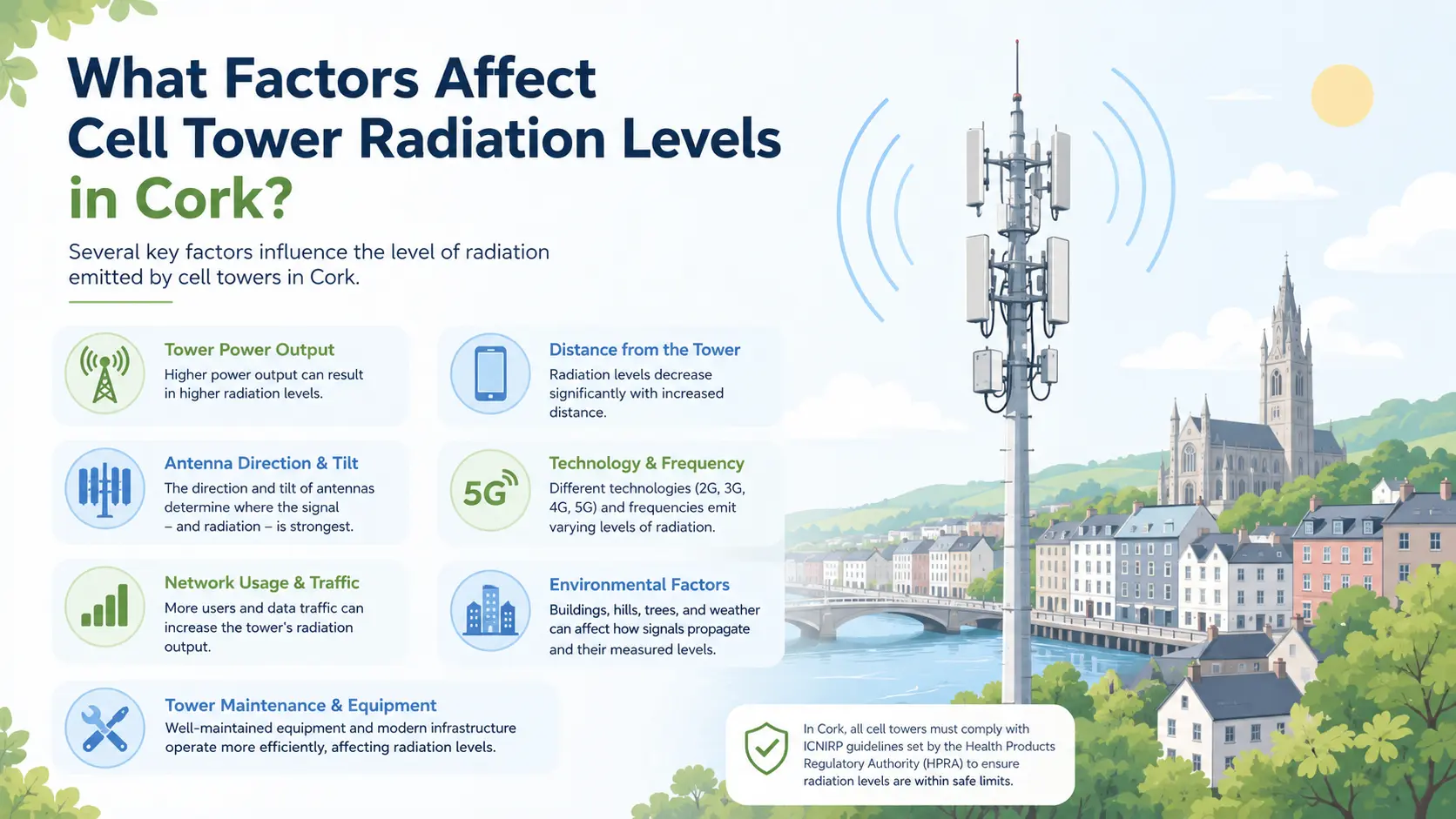
    What Factors Affect Cell Tower Radiation Levels in Cork?

    Cell tower radiation levels can vary significantly depending on several environmental and technical factors. Understanding these factors helps residents make informed decisions about electromagnetic field (EMF) exposure and assess radiation levels more accurately.

    In Cork, factors such as distance from the tower, network traffic, surrounding buildings, and antenna design all influence the amount of radiofrequency (RF) energy present in a specific area.

    What Is Cell Tower Radiation?

    Cell tower radiation refers to the radiofrequency (RF) electromagnetic energy transmitted between mobile phones and nearby communication towers. These signals allow wireless communication, internet access, and mobile connectivity.

    The amount of RF energy detected in a location depends on various conditions rather than simply the presence of a cell tower. Understanding these conditions can help residents better evaluate local EMF exposure levels.

    What Factors Affect Cell Tower Radiation Levels in Cork?

    Several factors influence RF signal strength and radiation measurements around communication towers.

    Distance from the Cell Tower

    Distance is one of the most important factors.

    Generally, radiation levels decrease as the distance from the tower increases. However, the highest readings are not always found directly beneath a tower. Antenna design often directs signals outward rather than downward.

    Antenna Height and Direction

    Cell tower antennas are designed to send signals in specific directions.

    The height of the tower and the angle of the antennas can significantly affect signal distribution. Areas located directly in the antenna’s main transmission path may experience higher RF levels compared to surrounding locations.

    Network Traffic and Usage

    Mobile networks adjust power output based on demand.

    During peak usage periods, such as business hours or large public events, towers may transmit more actively to support additional connections. This can influence local RF measurements.

    Number of Antennas Installed

    Modern communication sites often support multiple network operators and technologies.

    A tower equipped with several antennas for 4G, 5G, and other services may generate different RF patterns compared to a tower with fewer installations.

    Nearby Buildings and Structures

    Buildings, walls, and other structures can affect signal behavior.

    Some materials absorb radiofrequency energy, while others reflect it. This can create variations in radiation levels even within short distances.

    Terrain and Geography

    Natural landscapes play an important role.

    Hills, valleys, trees, and open spaces can alter how RF signals travel. In Cork, coastal areas and varying terrain may influence local signal distribution and EMF measurements.

    Weather Conditions

    Weather generally has a minor impact on cell tower radiation levels.

    However, heavy rain, moisture, and atmospheric conditions can slightly affect signal propagation under certain circumstances.

    Wireless Technology Used

    Different communication technologies operate on different frequencies.

    The deployment of 4G and 5G networks can influence signal characteristics and coverage patterns. This is one reason why EMF surveys often evaluate multiple frequency bands.

    Many residents searching for information about cell tower radiation Cork are interested in understanding how these technical and environmental factors contribute to overall RF exposure levels.

    Problems Associated with Variable Radiation Levels

    Understanding changing RF levels can present several challenges.

    Difficulty Understanding Exposure

    Many people assume radiation levels remain constant at all times. In reality, measurements can vary depending on location and network activity.

    Conflicting Information Online

    There is a large amount of information available about EMF exposure. Not all sources provide accurate or evidence-based guidance.

    Measurement Challenges

    Professional equipment is often required to obtain reliable readings. Basic assumptions based on tower visibility alone may not accurately represent actual exposure levels.

    Public Concerns

    Residents living near communication infrastructure may have questions regarding safety, property considerations, and long-term exposure.

    How Are Cell Tower Radiation Levels Measured?

    Professional EMF assessments follow a structured process.

    Step 1: Site Inspection

    An EMF consultant evaluates the property location and identifies nearby sources of radiofrequency signals.

    Step 2: Equipment Setup

    Specialized RF measurement devices are used to capture signal levels across different frequency ranges.

    Step 3: Data Collection

    Measurements are taken from multiple indoor and outdoor locations to provide a comprehensive assessment.

    Step 4: Analysis

    The collected data is compared with recognized exposure guidelines and reference standards.

    Step 5: Reporting

    A detailed report explains the findings and highlights any notable observations.

    Cost Details

    The cost of measuring RF radiation levels can vary depending on the property size and survey requirements.

    Typical factors affecting EMF survey costs include:

    • Property size
    • Number of measurement locations
    • Indoor and outdoor testing requirements
    • Complexity of nearby signal sources
    • Detailed reporting needs

    In Cork, professional EMF assessments may range from approximately €200 to €800 or more, depending on the scope of the survey. Larger commercial properties may require more extensive testing.

    Who Is It Best For?

    Cell tower radiation assessments can be beneficial for:

    Homeowners

    Residents seeking information about RF exposure around their property.

    Property Buyers

    Individuals evaluating a new home near communication infrastructure.

    Businesses

    Companies interested in understanding workplace EMF conditions.

    Schools and Community Facilities

    Organizations looking to assess environmental RF levels.

    Property Developers

    Developers who need environmental data before planning new projects.

    FAQs

    Does living closer to a cell tower always mean higher radiation levels?

    No. Antenna direction, height, and signal patterns can significantly influence exposure levels.

    Can buildings reduce cell tower radiation?

    Yes. Many construction materials can partially block or absorb radiofrequency signals.

    Do weather conditions affect radiation levels?

    Weather can have a minor impact, but it is usually not a major factor.

    How can I measure RF levels at my property?

    A professional EMF survey provides the most accurate assessment.

    Does network traffic affect radiation levels?

    Yes. Signal activity can vary depending on user demand and network load.

    Are EMF surveys useful before buying a property?

    Yes. They can provide additional information about environmental RF exposure conditions.

    Conclusion

    Several factors influence cell tower radiation levels, including distance, antenna configuration, surrounding structures, terrain, network activity, and wireless technologies. Understanding these variables helps residents make informed decisions and interpret RF measurements more accurately.

    If you want reliable information about EMF exposure around your home, office, or property in Cork, consider scheduling a professional EMF assessment. Expert testing can provide accurate measurements, detailed analysis, and peace of mind based on real-world data.
  • Do Cell Towers Emit Dangerous Radiation? Evidence from Cork and Beyond

    Do Cell Towers Emit Dangerous Radiation? Evidence from Cork and Beyond

    Walk through any city, town, or village in Ireland today, and you’re likely to spot several tall, slender masts standing against the skyline. These are cell towers—vital infrastructure that keeps our phones connected, our data streaming, and our modern lives running smoothly. But as mobile networks expand and 5G becomes widespread, a question increasingly asked in communities like Cork is: Do cell towers emit dangerous radiation?

    The topic has sparked local debate, public meetings, and online discussions. Some residents worry about potential health effects, while others trust existing safety regulations and scientific studies. To separate fear from fact, it’s worth looking closely at what science says, what evidence comes from Cork itself, and how these findings fit within global research.

    Understanding What Cell Towers Emit

    Before diving into the risks, it’s important to understand what kind of radiation cell towers emit. These structures send and receive radiofrequency (RF) electromagnetic waves, which are a type of non-ionizing radiation.

    Non-ionizing radiation differs from ionizing radiation (like X-rays or gamma rays) because it doesn’t have enough energy to alter DNA or directly damage human cells. This distinction is critical: while ionizing radiation is proven to cause health issues at high doses, non-ionizing radiation—such as that from Wi-Fi, Bluetooth, or cell towers—has much weaker energy levels.

    In Ireland, all mobile phone base stations, including those across Cork, must comply with exposure limits set by the International Commission on Non-Ionizing Radiation Protection (ICNIRP). These limits are designed with wide safety margins to protect everyone, including vulnerable populations like children and the elderly.

    How Much Radiation Do Cell Towers Actually Emit?

    Cell towers operate at frequencies ranging between 700 MHz and 3,500 MHz (depending on whether the signal is 4G or 5G). At these frequencies, the power density—the amount of energy transmitted—is relatively low.

    To put it in perspective, standing directly beneath a cell tower typically exposes a person to RF levels thousands of times below international safety limits. This is because the antennas are directional: they beam signals horizontally across wide areas, not down toward the ground.

    In Cork, environmental and telecommunications authorities periodically test radiation levels. According to the Commission for Communications Regulation (ComReg), RF measurements in Irish cities consistently remain well below safety thresholds. In many urban and suburban areas, exposure levels are less than 1% of the ICNIRP guideline limits.

    This evidence supports what many independent studies have found worldwide—namely, that radiation from cell towers is minimal compared to the exposure we receive from everyday wireless devices like mobile phones.

    Scientific Research: Global Findings and Local Relevance

    1. International Health Agencies’ Position

    Globally, numerous organizations have studied cell tower emissions and their potential health effects. The World Health Organization (WHO), Health Protection Surveillance Centre (HPSC) of Ireland, and the European Commission’s Scientific Committee on Emerging and Newly Identified Health Risks (SCENIHR) all conclude that current evidence does not show adverse health effects from low-level RF exposure below recommended limits.

    The WHO continues to monitor research closely but emphasizes that no causal link has been established between cell tower exposure and health problems like cancer, infertility, or neurological disorders.

    2. Independent Studies in Europe

    In Europe, large-scale studies—such as those conducted in Germany, Switzerland, and the UK—have examined populations living near cell towers. Across these studies, no consistent evidence has emerged to suggest that proximity to a cell tower increases the risk of health issues.

    3. The Irish Context: Evidence from Cork

    Turning to local findings, Cork City and County have been part of several radiation monitoring initiatives over the past decade. Environmental engineers and independent consultants have measured RF emissions near schools, residential neighborhoods, and business districts.

    The results? Across Cork, measured radiation levels consistently fall within internationally accepted safe zones—often at a fraction of the allowable limits. These findings form an important part of understanding cell phone tower radiation effects Cork residents have raised concerns about.

    While public awareness campaigns and community monitoring continue, the data so far provide strong reassurance that radiation exposure from local cell towers remains extremely low.

    The Fear Factor: Why People Still Worry

    Despite overwhelming scientific consensus, concern about cell tower radiation persists. Why? Several psychological and societal factors are in play:

    • Invisible and complex threat: Radiation cannot be seen, smelled, or felt. This invisibility naturally triggers unease.
    • Rapid technological change: Each new generation of mobile technology (3G, 4G, 5G) arrives faster than the public can fully understand it.
    • Mixed media messages: While scientific studies tend to be nuanced, online content can amplify fear through misleading headlines.
    • Health anxiety: When people already experience symptoms like headaches or fatigue, it’s easy to attribute them to nearby towers—especially if they recently noticed one being built.

    These concerns deserve empathy, not dismissal. Open communication between telecommunications companies, government bodies, and communities helps address legitimate questions while dispelling myths.

    What About 5G? A New Frontier of Concern

    The rollout of 5G networks brought a new wave of apprehension. Many feared that the higher frequencies used for 5G (up to 3.6 GHz in Ireland) would result in stronger or more harmful radiation.

    However, the physics of RF energy tell a different story. 5G signals are actually less penetrating than lower-frequency 4G signals. Moreover, 5G infrastructure often uses small cell technology, which operates at much lower power levels and covers shorter distances.

    Extensive research conducted by bodies such as the European Union’s Scientific Committee on Health, Environmental and Emerging Risks (SCHEER) confirms that 5G’s exposure levels are comparable to, or lower than, those from existing networks. So far, there is no credible evidence linking 5G to adverse health effects.

    Community Monitoring and Transparency in Cork

    Public trust often hinges on transparency. Recognizing this, Ireland’s ComReg runs an RF field measurement program that allows the public to access data on radiation levels at specific locations.

    Residents in Cork can visit ComReg’s website and view measurement results for various cell sites. The data is displayed clearly, showing that most readings are significantly below health-based reference levels.

    Community organizations have also stepped in to independently measure the cell phone tower radiation effects Cork neighborhoods experience, using portable RF monitors. The outcome of these community efforts has consistently echoed official findings: exposure remains well within safe margins.

    This combination of official testing and community oversight fosters greater trust and allows residents to make informed decisions.

    Practical Tips for Concerned Residents

    Even though radiation levels from cell towers are considered safe, people who remain concerned can take simple steps for peace of mind:

    • Check local data: Use ComReg’s database to view exposure levels near your home or workplace.
    • Consult health authorities: For scientifically sound advice, refer to WHO and HPSC resources on electromagnetic fields (EMFs).
    • Engage in dialogue: If a new tower is proposed nearby, attend community consultations to express your views and hear expert explanations.
    • Focus on higher exposures: Paradoxically, the phone you hold to your ear emits far more RF energy than a tower hundreds of meters away. Using speaker mode or a headset significantly reduces personal exposure.

    Environmental Considerations

    Apart from human health, some Cork residents have expressed concern about the possible effects of RF radiation on wildlife, especially birds and bees. While laboratory studies occasionally show behavioral changes in insects exposed to strong RF fields, these are typically conducted at power levels far above what exists near cell towers.

    Field research in Ireland and other European countries has not demonstrated measurable ecological harm at environmental exposure levels. Still, continued ecological monitoring remains essential as technology evolves.

    Balancing Connectivity and Safety

    It’s easy to forget how much modern society depends on reliable mobile networks. From emergency services to online education, from business operations to personal communication—cell towers are the invisible backbone of our digital lives.

    In Cork, as across Ireland, improving coverage means expanding network infrastructure. Each tower installed undergoes rigorous safety assessments before operation. The balance between connectivity and public health is maintained through strict adherence to international standards.

    When communities, scientists, and regulators work together, this balance ensures both technological progress and public reassurance.

    The Future of Research and Policy

    Science never stands still. Continuous studies are being conducted to explore potential long-term and cumulative effects of RF exposure. Ireland’s national health authorities participate in European collaborative research to ensure that policies remain evidence-based.

    Emerging technologies such as low-power Internet of Things (IoT) networks may further reduce overall radiation levels, as smaller, energy-efficient transmitters replace older, high-power systems. Cork’s growing reputation as a smart city means it could lead the way in adopting safer, greener, and more efficient communication technologies.

    Conclusion:-

    After decades of research, thousands of studies, and real-world monitoring in cities like Cork, the verdict remains consistent: cell towers do not emit dangerous radiation at the levels the public is exposed to.

    The data gathered locally and globally paints the same picture—cell tower radiation is not a health hazard when safety standards are respected. Cork’s own environmental measurements reaffirm this finding, showing RF exposure far below established safety limits.

    While it’s natural to question emerging technologies, the scientific consensus provides reassurance that cell phone tower radiation cork residents are exposed daily poses a proven health risk.

    Maintaining open dialogue, community monitoring, and adherence to international guidelines will continue to ensure both safety and connectivity—helping Cork thrive in an ever-more connected world.

    Frequently Asked Questions:-

    1. Are cell towers in Cork emitting harmful radiation?

    • No. Studies conducted in Cork and across Ireland show that radiation levels from cell towers are thousands of times lower than international safety limits. The Commission for Communications Regulation (ComReg) regularly tests these sites, and results consistently confirm that cell phone tower radiation effects Cork residents experience are well within safe exposure limits.

    2. What kind of radiation do cell towers produce?

    • Cell towers emit radiofrequency (RF) electromagnetic radiation, which is a type of non-ionizing radiation. This means it does not have enough energy to damage DNA or cells, unlike X-rays or gamma rays. Non-ionizing radiation from cell towers is considered safe at the levels used for mobile communication.

    3. Is 5G more dangerous than previous mobile networks?

    • No, 5G technology is not more dangerous than 4G or 3G. In fact, 5G operates at lower power levels and transmits signals over shorter distances. International health organizations, including the World Health Organization (WHO) and the European Commission, have found no evidence that 5G exposure within safety guidelines causes harm to human health.

    4. How can Cork residents check radiation levels near their homes?

    • Cork residents can easily check official radiation readings through the ComReg RF Field Measurement Programme, available online. The site lists verified data from locations across Ireland, showing that RF exposure levels remain significantly below recommended health limits. This transparency allows communities to stay informed about cell phone tower radiation effects that Cork neighborhoods may experience.

    5. What is the scientific consensus on cell phone tower radiation in Ireland?

    • The overall scientific consensus is clear: cell tower radiation does not pose a health risk when it remains below internationally recognized limits. Irish and global studies have shown that exposure from cell towers—including cell phone tower radiation cork residents encounter—is far lower than the thresholds known to cause biological harm.
  • How to Reduce RF Exposure at Home with Smarter Tech Habits

    How to Reduce RF Exposure at Home with Smarter Tech Habits

    In today’s world, our homes are filled with smart devices, wireless gadgets, and internet-connected appliances. While this technology makes life more convenient, it also exposes us to radio frequency (RF) radiation from Wi-Fi routers, smartphones, smart TVs, tablets, and even wearable tech. Many people are now asking the important question: how can we enjoy modern technology without unnecessary RF exposure?

    This blog explores how to reduce RF exposure at home with smarter tech habits—practical, achievable steps that protect your well-being while keeping your lifestyle modern and connected.

    Understanding RF Exposure

    RF exposure comes from radiofrequency electromagnetic fields (EMFs), a type of non-ionizing radiation used to transmit data wirelessly. Unlike X-rays or gamma rays, RF waves don’t have enough energy to break DNA directly. However, prolonged exposure is a growing concern for some health experts due to potential biological effects, particularly with the constant use of wireless devices.

    Common sources of RF radiation in the home include:

    • Wi-Fi routers and mesh networks
    • Smartphones, tablets, and laptops
    • Smart home devices like voice assistants, cameras, and thermostats
    • Bluetooth headphones, speakers, and wearables
    • Microwave ovens (though usually shielded well)

    While it’s almost impossible to eliminate RF radiation completely, you can reduce your exposure significantly with smarter daily habits.

    Why Should You Care About Reducing RF Exposure?

    Even though research on long-term health risks is ongoing, many people choose to take a precautionary approach. Here are a few reasons why it makes sense to be proactive:

    • Better Sleep Quality – Constant EMFs can interfere with melatonin production, a hormone that regulates sleep.
    • Reduced Stress Levels – Some people report headaches, fatigue, or brain fog when exposed to strong RF signals for extended periods.
    • Children’s Health – Kids absorb more radiation due to thinner skulls and developing bodies.
    • Peace of Mind – Taking steps now means you’re minimizing unnecessary risks, even if science hasn’t fully caught up.

    Smarter Tech Habits to Reduce RF Exposure

    Here are practical strategies to cut down on RF radiation at home without giving up modern conveniences.

    1. Manage Your Wi-Fi Wisely

    • Turn Off Wi-Fi at Night: Your body doesn’t need internet access while sleeping. Use a simple timer plug to automatically shut it off.
    • Use Wired Connections When Possible: Ethernet cables are faster, more secure, and radiation-free. Consider connecting your desktop or TV directly to the router.
    • Position Your Router Strategically: Keep routers away from bedrooms or high-use sitting areas. Distance reduces exposure dramatically.

    2. Create Tech-Free Sleep Zones

    • No Phones by the Bed: Use an old-fashioned alarm clock instead.
    • Airplane Mode Overnight: If you need your phone nearby, switch it to airplane mode to cut off RF transmissions.
    • Shielding Options: Some people use EMF shielding canopies or fabrics around their beds, though even small changes like distance help.

    3. Rethink Smartphone Habits

    • Use Speakerphone or Wired Headsets: This keeps the device away from your head.
    • Text Instead of Calling: Sending quick messages reduces call-related exposure.
    • Avoid Body Contact: Don’t carry your phone directly against your body—in a pocket or bra, for example. Use a bag or keep it on a table instead.

    4. Smart Placement of Smart Devices

    • Keep Smart Appliances at a Distance: Don’t install smart hubs, speakers, or Wi-Fi cameras in your bedroom.
    • Disable Features You Don’t Use: Turn off Bluetooth, location services, or Wi-Fi scanning when unnecessary.
    • Batch Device Use: Instead of having multiple devices always-on, manage when they’re active.

    5. Embrace Wired Alternatives

    • Wired Keyboards and Mice: Reduce constant Bluetooth exposure.
    • Corded Headphones: Opt for classic wired earbuds over wireless ones.
    • Landline Phones: Still practical for long home conversations.

    6. Limit Kids’ Exposure

    • Encourage Offline Play: Balance screen time with outdoor activities.
    • Download Media First: Let kids watch videos offline rather than streaming.
    • Child-Safe Zones: Make bedrooms and playrooms Wi-Fi-free when possible.

    7. Minimize Bluetooth Use

    Bluetooth devices constantly emit RF signals, even when not actively transferring data. Consider these swaps:

    • Use a wired fitness tracker if possible, or sync your wearable once a day instead of continuously.
    • Replace wireless speakers with wired connections when at home.
    • Choose wired controllers for gaming consoles.

    8. Turn Off What You Don’t Need

    • Airplane Mode for Tablets: Kids often use tablets for games or reading—no need for Wi-Fi to be on.
    • Smart TV Settings: Disable constant data-syncing features if you don’t use them.
    • Home Office Check: Power down unused laptops, printers, or hotspots when not in use.

    9. Use EMF-Friendly Home Design

    • Router on a Timer: Automatically cut exposure during downtime.
    • Bedrooms as Low-EMF Zones: No smart TVs, no routers, no wireless printers.
    • Shielding Paint or Films: For people in high-exposure environments (like apartments near cell towers), shielding materials can add another layer of protection.

    10. Adopt a “Distance First” Mindset

    A simple rule: distance equals safety. Even moving a device a few feet away drastically lowers your exposure. For example:

    • Sitting 6 feet from your Wi-Fi router instead of 2 feet can cut exposure significantly.
    • Using your laptop on a desk instead of your lap reduces direct body contact.
    • Watching movies on a TV screen instead of holding a phone close for hours helps limit RF absorption.

    Practical Daily Routine for Lower RF Exposure

    Here’s how an average day could look with smarter tech habits:

    • Morning: Phone on airplane mode overnight, Wi-Fi turns on automatically at 7 AM via timer. You check messages after breakfast.
    • Work Hours: Laptop connected with Ethernet cable. Phone on desk (not in pocket), Bluetooth off.
    • Evening: Family movie downloaded beforehand to avoid streaming. Kids play board games before bed.
    • Night: Wi-Fi router switches off automatically, all devices in airplane mode or powered down. Bedroom is a calm, tech-free zone.

    By building small habits like these, you’ll naturally reduce RF exposure without sacrificing modern comforts.

    Taking a Balanced Approach

    It’s important to remember that technology itself isn’t “bad.” Smartphones, Wi-Fi, and smart home devices bring immense convenience and connectivity. The key is using them intentionally rather than letting them run constantly without thought.

    Just like with diet or exercise, balance is everything. You don’t need to throw away all your wireless devices—you just need to manage them wisely.

    Conclusion:-

    Learning how to reduce RF exposure at home doesn’t mean living in the dark ages. It’s about making thoughtful choices: turning off Wi-Fi when not needed, placing routers away from bedrooms, choosing wired connections when possible, and encouraging screen-free time for children.

    If you’re concerned about your household’s exposure levels, consider professional radio frequency EMF testing to get an accurate picture of your environment. That way, you can take targeted actions with peace of mind.

    By adopting these smarter tech habits, you’ll create a healthier home environment while still enjoying the benefits of modern living.

    Frequently Asked Questions:-

    1. What are the main sources of RF exposure at home?

    • The biggest sources include Wi-Fi routers, smartphones, tablets, smart TVs, Bluetooth devices, and smart home appliances such as speakers or cameras.

    2. Does turning off Wi-Fi at night really make a difference?

    • Yes. Since most people spend 6–8 hours sleeping, switching off your Wi-Fi router at night can significantly cut down your overall daily RF exposure.

    3. Is it safer to use wired connections instead of wireless?

    • Absolutely. Wired connections like Ethernet cables provide faster, more stable internet access without emitting radiofrequency radiation.

    4. How can I reduce my child’s RF exposure?

    • Encourage more offline activities, limit streaming by downloading videos in advance, and keep Wi-Fi routers and smart devices out of bedrooms or play areas.

    5. Do I need professional testing to check RF levels at home?

    • Not necessarily, but professional radio frequency EMF testing can give you a clearer understanding of your exposure and help you take more targeted actions.
  • Find a Certified EMF Specialist | Safe & Effective EMF Shielding

    Find a Certified EMF Specialist | Safe & Effective EMF Shielding

    Electromagnetic fields (EMF) are invisible areas of energy, often associated with electrical power, wireless signals, and various electronic devices. While modern technology has made life more convenient, the increasing exposure to EMF has raised concerns regarding its potential impact on human health. Studies suggest that prolonged exposure to high levels of EMF may lead to headaches, sleep disturbances, and even more serious health conditions. This has led to the growing demand for professional EMF shielding solutions provided by a certified EMF specialist.

    The Importance of Hiring a Certified EMF Specialist

    A certified EMF specialist is a trained professional who evaluates, mitigates, and offers solutions for reducing electromagnetic radiation exposure in homes and workplaces. With extensive knowledge of EMF sources and their effects, these specialists conduct thorough assessments using specialized equipment. They identify high-risk areas, recommend shielding solutions, and ensure compliance with safety standards.

    Hiring an expert is essential because they:

    • Conduct detailed EMF inspections and measurements.
    • Offer tailored solutions for minimizing exposure.
    • Provide professional guidance on shielding materials and safe practices.
    • Assist in fostering a healthier atmosphere for both living and working.

    Common Sources of EMF Exposure

    1. Wireless Devices and Wi-Fi Routers

    Smartphones, tablets, and Wi-Fi routers emit radiofrequency radiation (RF), contributing significantly to indoor EMF exposure. Continuous exposure to RF radiation has been linked to potential health issues, making it crucial to limit unnecessary usage and implement shielding strategies.

    2. Power Lines and Electrical Wiring

    High-voltage power lines and household electrical wiring generate extremely low-frequency (ELF) radiation. Poorly insulated wiring or faulty grounding can increase EMF levels, leading to prolonged exposure risks.

    3. Cell Towers and 5G Networks

    With the rapid expansion of cellular networks, cell towers are now placed closer to residential areas. These towers emit strong EMF fields that can penetrate buildings, affecting individuals living nearby. As 5G networks continue to roll out, the demand for proper shielding solutions is more critical than ever.

    4. Smart Meters and Appliances

    Many modern appliances, including smart meters, microwave ovens, and electric induction cooktops, emit electromagnetic radiation. A certified EMF specialist can help assess and recommend shielding solutions to reduce exposure from these sources.

    Safe and Effective EMF Shielding Solutions

    1. EMF Shielding Paints and Fabrics

    Specialized EMF-blocking paints contain conductive materials that reduce radiation penetration through walls. Similarly, EMF shielding fabrics can be used for curtains, bedding, and clothing to minimize exposure.

    2. EMF Protective Bed Canopies

    For those who experience sleep disturbances due to EMF exposure, bed canopies made of conductive materials provide a shielded sleeping environment, reducing nighttime radiation exposure.

    3. Low-EMF Lighting and Electrical Modifications

    Replacing high-EMF lighting sources with low-EMF alternatives and using shielded electrical cables can significantly lower electromagnetic radiation levels in homes and workplaces.

    4. Distance and Safe Placement of Devices

    One of the simplest yet most effective ways to minimize EMF exposure is by maintaining a safe distance from high-emission sources. Keeping Wi-Fi routers in non-sleeping areas, using speaker mode on mobile devices, and avoiding prolonged laptop usage on the lap can help reduce exposure.

    5. EMF Blocking Window Films

    Windows often allow external radiation to enter indoor spaces. Installing EMF-blocking films on windows helps reduce external radiation from nearby cell towers and power lines.

    How to Choose the Right EMF Specialist?

    Selecting a qualified and experienced EMF specialist is crucial for effective shielding solutions. Consider the following factors:

    1. Certification and Training

    Ensure that the specialist holds credible certifications from recognized EMF training programs. A certified professional should be knowledgeable in assessing various EMF sources and implementing effective mitigation strategies.

    2. Experience and Expertise

    Look for specialists with extensive experience in EMF assessments and shielding implementations. An expert with a proven track record can provide effective solutions tailored to your specific needs.

    3. Use of Advanced Equipment

    An EMF specialist should use high-quality measurement devices such as EMF meters and spectrum analyzers to conduct accurate assessments. Advanced tools help detect even low-level radiation sources.

    4. Comprehensive Assessment and Reporting

    A reliable EMF specialist should provide a detailed report outlining the findings of their assessment along with recommended shielding measures. Transparent documentation helps you understand the necessary steps to reduce exposure.

    5. Customer Reviews and Testimonials

    Checking customer reviews and testimonials can provide insights into the specialist’s credibility and service quality. Testimonials from satisfied clients serve as a strong sign of dependable service.

    Steps to Reduce EMF Exposure at Home and Work

    While hiring a certified EMF specialist is the best approach, incorporating some daily habits can also help in minimizing exposure:

    • Turn off Wi-Fi routers at night.
    • Use wired internet connections instead of wireless.
    • Avoid carrying mobile phones in pockets.
    • Reduce screen time and use EMF protection accessories.
    • Maintain a safe distance from high-radiation appliances.

    By taking these small steps, along with professional EMF shielding, you can create a healthier living and working environment.

    Conclusion

    As EMF exposure continues to rise due to technological advancements, it is essential to take proactive measures to safeguard your health. A certified EMF specialist can provide expert assessments and customized shielding solutions to minimize exposure. Whether it’s your home or workplace, professional guidance ensures a safe environment with reduced electromagnetic radiation.

    For residents concerned about cell phone tower radiation consulting an EMF expert can help evaluate the impact and implement effective shielding solutions. Prioritizing EMF safety today can contribute to long-term well-being and a healthier lifestyle.

    Frequently Asked Questions:-

    1. What is an EMF specialist, and why should I hire one?

    • An EMF specialist is a trained professional who assesses and mitigates electromagnetic radiation exposure in homes and workplaces. Hiring one ensures a thorough inspection, effective shielding solutions, and professional guidance on reducing EMF-related health risks.

    2. What are the common sources of EMF exposure in daily life?

    • Common sources include Wi-Fi routers, mobile phones, smart meters, power lines, electrical wiring, and cell towers. These emit electromagnetic radiation, which can contribute to health concerns over prolonged exposure.

    3. What shielding solutions can help reduce EMF exposure?

    • Effective EMF shielding solutions include EMF-blocking paints, fabrics, bed canopies, low-EMF lighting, EMF window films, and proper placement of electronic devices to minimize direct exposure.

    4. How do I choose the right EMF specialist?

    • Look for a specialist with credible certifications, experience, advanced EMF measuring equipment, comprehensive assessment reports, and positive customer reviews to ensure reliable service.

    5. What simple steps can I take to reduce EMF exposure at home?

    • Turn off Wi-Fi routers at night, use wired internet connections, keep mobile phones away from your body, limit screen time, and maintain distance from high-radiation devices to minimize daily exposure.
  • How Dirty Electricity Affects Health in Cork and How to Prevent It?

    How Dirty Electricity Affects Health in Cork and How to Prevent It?

    In the modern world, electricity is a fundamental part of daily life. However, what many people do not realize is that there is a form of electricity known as “dirty electricity” that can affect both our health and the environment. Dirty electricity, also referred to as electromagnetic pollution or electrical pollution, is the disruption of the electrical system that produces high-frequency noise and harmful electromagnetic fields (EMFs). This type of electricity is more common than most people think and can be found in homes, offices, and industrial areas in Cork and other parts of the world. This blog explores the effects of dirty electricity on health and how you can take steps to reduce exposure in Cork.

    Understanding Dirty Electricity

    Dirty electricity is the result of electrical devices and equipment emitting high-frequency electromagnetic energy, which is not part of the clean power we receive from the grid. Typically, modern appliances, computers, mobile phones, and fluorescent lights produce dirty electricity. It occurs when electricity is distorted by electrical components, such as dimmer switches, battery chargers, and motors in household gadgets.

    In Cork, as in many other urban areas, people are exposed to increasing amounts of dirty electricity, given the proliferation of electrical devices in homes and workplaces. Unlike conventional electrical systems that flow smoothly, dirty electricity can fluctuate and emit high-frequency signals that interfere with the normal operation of electronic devices. While we may not always be aware of it, these disruptions can pose serious health risks if left unchecked.

    How Dirty Electricity Affect Health?

    Dirty electricity can have several harmful effects on our health. Research into the effects of electromagnetic fields (EMFs) is still ongoing, but numerous studies have suggested potential links between dirty electricity and various health issues. Below are some of the most common health problems associated with prolonged exposure to dirty electricity:

    1. Sleep Disturbances and Insomnia

    One of the most commonly reported health effects of dirty electricity is sleep disturbances. High-frequency noise from electrical devices can disrupt the body’s natural circadian rhythm, making it difficult to fall asleep or stay asleep. Individuals who live in areas with high levels of dirty electricity Cork often report difficulty sleeping, waking up frequently during the night, or feeling fatigued in the morning.

    2. Increased Risk of Cancer

    There is ongoing debate about the connection between electromagnetic exposure and cancer, but some studies have suggested that long-term exposure to dirty electricity could increase the risk of certain types of cancer, particularly in genetically predisposed people. These studies indicate that EMFs from electrical pollution can affect cellular DNA and cause damage that may eventually lead to the development of tumors.

    3. Chronic Fatigue and Headaches

    Dirty electricity can also contribute to chronic fatigue and persistent headaches. Many individuals who are sensitive to EMFs report symptoms such as fatigue, dizziness, nausea, and headaches, particularly after spending long hours around electronic devices or in areas with high levels of dirty electricity. These symptoms can be particularly pronounced in people who are highly sensitive to electromagnetic fields, leading to a decline in overall well-being.

    4. Heart Palpitations and High Blood Pressure

    Studies have suggested that exposure to electromagnetic fields, including those produced by dirty electricity, may lead to cardiovascular problems such as heart palpitations and elevated blood pressure. The interaction of high-frequency signals with the body’s electrical systems may interfere with heart rhythm and the normal function of the circulatory system, which can cause discomfort and increase the risk of heart disease in susceptible individuals.

    5. Behavioral and Cognitive Effects

    Dirty electricity can have a significant impact on the brain and cognitive function. Research has found that EMFs can disrupt neurotransmitter activity in the brain, potentially leading to changes in mood, concentration difficulties, memory problems, and even increased irritability. Individuals with mental health conditions may find these symptoms particularly challenging, and children may experience developmental delays or cognitive impairments.

    The Impact of Dirty Electricity in Cork

    In Cork, the rise in technological advancements and the widespread use of electronic devices in both residential and commercial spaces has contributed to an increase in dirty electricity. City areas, where the population density is higher, are particularly susceptible to higher levels of electrical pollution. This can be attributed to the close proximity of power lines, substations, and a higher concentration of electronic devices that cause electrical interference.

    Many people in Cork are unaware of the potential health risks posed by dirty electricity, as it is often invisible and intangible. However, the symptoms associated with dirty electricity are increasingly becoming a concern for residents. As more people in Cork are becoming aware of the link between EMF exposure and health problems, the demand for solutions to mitigate dirty electricity has been growing.

    How to Prevent and Reduce Exposure to Dirty Electricity in Cork?

    While dirty electricity may seem like an unavoidable part of modern life, there are practical steps that residents in Cork can take to reduce exposure and minimize the associated health risks. Here are some effective measures for preventing and reducing dirty electricity in your home and workplace:

    1. Use Dirty Electricity Filters

    One of the most effective ways to prevent dirty electricity is by installing filters on your electrical outlets. These filters are designed to reduce high-frequency noise by converting harmful electromagnetic energy into a safer form. They can be placed on outlets throughout your home or office to prevent the transmission of dirty electricity through your electrical wiring.

    2. Limit the Use of Electrical Devices

    The fewer electrical devices you use, the less exposure you will have to dirty electricity. Try to reduce the number of devices that emit electromagnetic radiation in your living and working spaces. For example, opt for wired devices instead of wireless ones, as wireless technology generates more EMFs. Turn off devices when they are not in use, and unplug chargers and electronics that are not actively being used.

    3. Choose Low-EMF Lighting Options

    Traditional fluorescent lights and energy-efficient light bulbs are common culprits of dirty electricity. Instead, opt for low-EMF LED lighting or incandescent bulbs, which are much less likely to generate harmful electromagnetic fields. Additionally, dimmer switches should be avoided, as they can contribute significantly to dirty electricity.

    4. Move Away from High EMF Sources

    Positioning yourself farther from high-EMF sources, such as routers, televisions, and microwaves, can significantly reduce exposure. In Cork, where many people live near power lines and electrical equipment, it is important to be mindful of where these sources of electromagnetic radiation are placed. Keep your bed and living areas away from these devices to minimize exposure while you sleep.

    5. Conduct an EMF Inspection

    To better understand the levels of dirty electricity in your home or office, consider conducting an EMF inspection. Professionals who specialize in EMF protection can help identify areas where electromagnetic radiation is a concern and provide recommendations on how to mitigate the exposure. These inspections are particularly useful for businesses in Cork that want to create a safer and healthier environment for employees.

    Conclusion: Embrace EMF Protection for a Healthier Lifestyle

    Dirty electricity poses a significant threat to our health, and its impact on the body should not be underestimated. In Cork, as with many other places, individuals are becoming more aware of the harmful effects of electrical pollution. By taking steps to reduce exposure to dirty electricity, including using filters, limiting electrical device use, and seeking professional advice, you can safeguard your health and enjoy a cleaner, safer living environment.

    For those in Cork who are serious about reducing their exposure to harmful electromagnetic fields, it is crucial to consider EMF protection in Ireland. Professional EMF protection solutions can ensure that your home or workplace is free from the harmful effects of dirty electricity and other electromagnetic radiation, promoting a healthier lifestyle for you and your family.

    Frequently Asked Questions:-

    1. What is dirty electricity and how does it affect my health?

    • Dirty electricity refers to high-frequency electromagnetic interference in electrical systems, caused by devices such as fluorescent lights, computers, and battery chargers. Exposure to dirty electricity has been linked to various health issues, including sleep disturbances, headaches, fatigue, heart palpitations, and cognitive problems. Long-term exposure can even increase the risk of certain cancers.

    2. How can I detect dirty electricity in my home or workplace?

    • Dirty electricity is not visible to the naked eye, but it can be detected using specialized equipment such as an EMF meter or a dirty electricity meter. These devices measure the electromagnetic interference in your environment. Professionals offering EMF inspections can help assess the levels of dirty electricity in your home or office.

    3. What are some common sources of dirty electricity in Cork?

    • In Cork, as in other urban areas, common sources of dirty electricity include electrical appliances such as computers, mobile phone chargers, fluorescent lighting, dimmer switches, and electrical motors in household devices. These devices can produce high-frequency noise that interferes with the electrical system.

    4. Can dirty electricity affect children and pets?

    • Yes, children and pets are particularly vulnerable to the effects of dirty electricity. Children are still developing and may have a higher sensitivity to electromagnetic radiation. Pets, especially those with sensitive health conditions, can also experience discomfort from prolonged exposure. It’s important to reduce exposure in areas where children and pets spend a lot of time.

    5. How can I reduce exposure to dirty electricity in my home or office?

    • You can reduce exposure to dirty electricity by using dirty electricity filters, switching to low-EMF lighting options such as LED bulbs, and limiting the use of wireless devices. Additionally, positioning electronic devices away from areas where you spend a lot of time, like your bed or desk, can also help minimize exposure. Conducting an EMF inspection is another effective way to identify and address potential issues in your environment.
  • How to Combat Electrosmog in Ireland? Expert Tips and Solutions

    How to Combat Electrosmog in Ireland? Expert Tips and Solutions

    Electrosmog is an invisible but increasingly prevalent form of pollution created by electromagnetic radiation (EMR) from electronic devices, cell towers, Wi-Fi routers, and other modern technologies. While these innovations offer undeniable convenience, the invisible electromagnetic fields (EMFs) they emit can potentially harm human health when exposure is excessive or prolonged. Addressing electrosmog Ireland is essential for promoting public health and reducing associated risks.

    In this blog, we’ll explore practical ways to combat electrosmog, provide expert recommendations, and highlight solutions tailored to Ireland’s unique context.

    Understanding Electrosmog

    Electrosmog refers to the electromagnetic fields generated by wired and wireless devices in our environment. It can be classified into:

    • Low-frequency EMFs: From power lines, electrical appliances, and wiring.
    • High-frequency EMFs: Emitted by wireless communication devices like mobile phones, Wi-Fi routers, and cell towers.

    While EMFs are generally considered safe at low levels, growing evidence links prolonged and intense exposure to various health concerns, including sleep disturbances, headaches, and even chronic conditions in sensitive individuals.

    electrosmog ireland

    Sources of Electrosmog in Ireland

    Ireland’s increasing reliance on technology has introduced new challenges in managing electrosmog. Key sources include:

    1. Mobile Network Infrastructure

    Ireland’s robust mobile network is essential for communication, but cell towers and base stations emit significant amounts of EMFs, contributing to electrosmog in Ireland.

    2. Smart Devices

    Smartphones, tablets, and wearables are ubiquitous in homes, workplaces, and schools. These devices constantly emit high-frequency radiation, especially when connected to the internet.

    3. Wi-Fi Networks

    Ireland’s households and businesses rely heavily on Wi-Fi networks for internet connectivity. However, these networks emit a continuous stream of electromagnetic waves.

    4. Home Appliances

    Electrical appliances such as microwaves, refrigerators, and washing machines emit low-frequency EMFs, adding to the cumulative exposure.

    5. Renewable Energy Systems

    As Ireland embraces renewable energy sources like solar and wind power, inverters and transformers used in these systems also become sources of EMFs.

    Health Concerns Linked to Electrosmog

    Though research is ongoing, studies have suggested several potential health concerns associated with electrosmog exposure:

    • Sleep Disorders: EMFs can interfere with melatonin production, disrupting sleep patterns.
    • Cognitive Issues: Excessive exposure has been linked to concentration problems and memory impairment.
    • Electromagnetic Hypersensitivity (EHS): Some individuals experience symptoms like fatigue, headaches, and dizziness due to EMF exposure.
    • Chronic Conditions: While conclusive evidence is limited, prolonged exposure may increase risks of certain cancers and neurological disorders.

    electrosmog ireland

    Expert Tips to Combat Electrosmog in Ireland

    Taking steps to reduce exposure is crucial for creating a healthier environment. Here are expert tips tailored to individuals and communities in Ireland:

    1. Minimize Mobile Phone Use

    • Use speaker mode or a wired headset for calls.
    • Keep mobile phones away from your body when not in use.
    • Avoid prolonged use in areas with weak signals, as devices emit higher radiation to maintain connectivity.

    2. Optimize Your Wi-Fi Usage

    • Turn off Wi-Fi routers during the night or when not in use.
    • Position routers away from bedrooms and high-occupancy areas.
    • Use wired internet connections where possible to reduce wireless radiation.

    3. Create Low-EMF Zones at Home

    • Unplug electronic devices when not in use.
    • Opt for low-EMF alternatives, such as corded phones instead of cordless ones.
    • Use shielding paints, curtains, or films designed to block EMFs in areas with high exposure.

    4. Adopt Safe Energy Practices

    • Maintain a safe distance from renewable energy equipment like inverters and batteries.
    • Regularly inspect and maintain electrical systems to reduce stray currents and EMFs.

    5. Practice Smart Device Management

    • Enable airplane mode when devices are not needed for communication.
    • Limit screen time for children, who are more vulnerable to EMF exposure.
    • Choose devices with lower specific absorption rates (SAR) whenever possible.

    electrosmog Ireland

    Solutions for Reducing Community-Level Electrosmog

    Combating electrosmog in Ireland requires not just individual efforts but community-wide initiatives as well.

    1. Awareness Campaigns

    Local authorities and NGOs should organize campaigns to educate people about the risks of electrosmog and ways to minimize exposure.

    2. Regulating Mobile Towers

    Authorities can ensure mobile towers and antennas are strategically placed to minimize residential exposure. Strict compliance with international EMF safety standards should be enforced.

    3. Electromagnetic Hygiene in Schools

    Schools should implement measures to reduce EMF exposure for children, such as limiting Wi-Fi usage and incorporating wired internet options.

    4. Incentivizing Low-EMF Technologies

    The Irish government could encourage the adoption of EMF-safe devices through subsidies or tax benefits, making them more accessible to the public.

    5. Monitoring and Research

    Establishing monitoring stations to measure electrosmog levels in urban and rural areas can help identify hotspots and inform policy decisions.

    Innovative Products for Electrosmog Protection

    Many products are now available to shield individuals and spaces from electrosmog:

    • EMF Shielding Fabrics: Ideal for curtains or clothing to reduce personal exposure.
    • Radiation Blockers for Devices: Small shields that can be placed on phones and laptops to minimize emissions.
    • EMF Meters: Devices to measure electromagnetic radiation levels in homes and workplaces.
    • Shielding Paints: Special paints can block EMFs from entering walls, creating safer indoor environments.

    Policy Recommendations for Ireland

    To ensure a healthier future, policymakers in Ireland can adopt measures such as:

    • Enforcing stricter limits on EMF emissions from mobile towers and devices.
    • Promoting EMF-safe designs in urban planning.
    • Funding scientific research to explore long-term health effects of electrosmog.
    • Establishing guidelines for EMF exposure in workplaces and public spaces.

    Conclusion

    Electrosmog is an inevitable byproduct of our modern, technology-driven lives. However, by implementing practical tips and innovative solutions, we can significantly reduce its impact on our health. From managing mobile phone usage to investing in shielding technologies, proactive measures are crucial for protecting ourselves and future generations.

    In Ireland, addressing electrosmog not only involves individual responsibility but also collective action and policy-driven solutions. Educating communities, regulating mobile tower placements, and encouraging the adoption of low-EMF technologies are essential steps forward.

    As awareness of electrosmog in Ireland grows, individuals and institutions must work together to create safer environments. If you are in Cork and concerned about the mobile phone dangers Cork poses, consult professionals for tailored solutions to reduce exposure effectively.

    Frequently Asked Questions:-

    1. What is electrosmog, and why is it a concern in Ireland?

    • Electrosmog refers to electromagnetic fields generated by electronic devices, Wi-Fi networks, and mobile towers. It has become a concern in Ireland as these fields are linked to potential health risks, including sleep disturbances, headaches, and cognitive challenges. With increasing dependence on technology, addressing electrosmog is essential for public health.

    2. How does electrosmog affect health?

    • Exposure to high levels of electrosmog can interfere with the body’s natural processes. It has been associated with disrupted sleep, reduced concentration, and symptoms like fatigue and dizziness. Long-term exposure may also contribute to chronic conditions in sensitive individuals, although more research is needed to confirm these effects.

    3. What are the main sources of electrosmog in Ireland?

    • Electrosmog in Ireland primarily comes from mobile phone towers, Wi-Fi routers, smart devices, electrical appliances, and renewable energy systems. These sources emit electromagnetic fields, which collectively contribute to the electrosmog in our living and working environments.

    4. Can electrosmog be reduced, and if so, how?

    • Yes, electrosmog can be reduced through lifestyle adjustments and technological solutions. For instance, using wired internet connections instead of Wi-Fi, keeping devices on airplane mode when not in use, and applying EMF shielding products can significantly lower exposure. Raising awareness and adopting safer practices at both individual and community levels are key to minimizing risks.

    5. Are there specific measures being taken in Ireland to address electrosmog?

    • Ireland follows international guidelines for EMF emissions and safety standards. However, there is a growing push for stricter regulations and more robust monitoring of electrosmog levels. Communities and schools are also starting to adopt practices like limiting Wi-Fi use and educating people on safe technology habits to mitigate exposure.
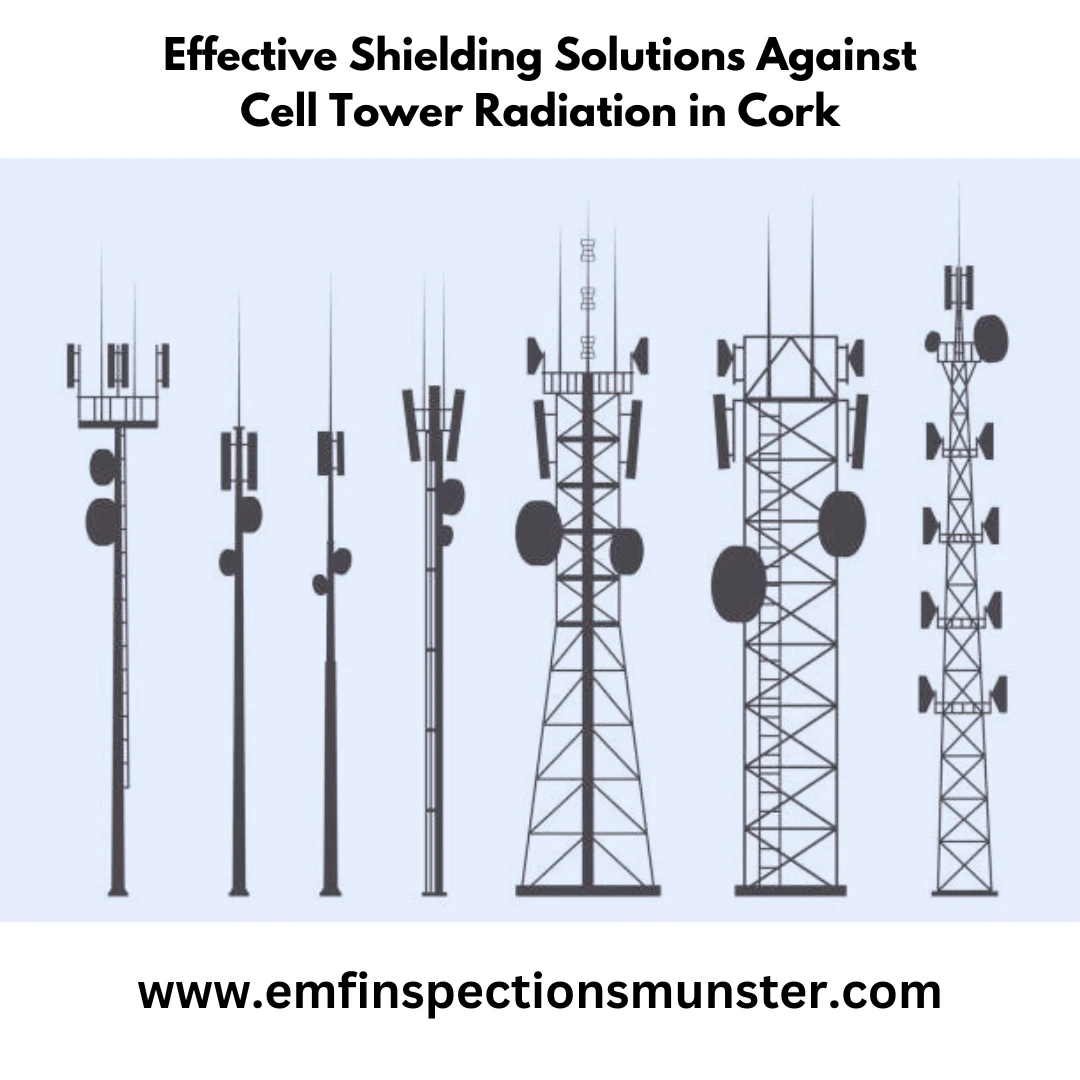
  • Effective Shielding Solutions Against Cell Tower Radiation in Cork

    Effective Shielding Solutions Against Cell Tower Radiation in Cork

    In today’s interconnected world, cell tower radiation cork are a ubiquitous part of our urban landscape, providing essential connectivity but also raising concerns about their potential health effects due to radiation. Cork, like many cities, grapples with the challenge of balancing the need for reliable cellular service with concerns over exposure to cell tower radiation. Understanding the risks and exploring effective shielding solutions is crucial for safeguarding public health and well-being.

    Understanding Cell Tower Radiation

    Cell towers emit electromagnetic radiation, which includes both ionizing and non-ionizing radiation. Non-ionizing radiation, such as that emitted by cell towers, is generally considered less harmful compared to ionizing radiation (like X-rays), but prolonged exposure can still pose health risks. The concern arises from the constant exposure to radiofrequency (RF) electromagnetic fields emitted by these towers, especially for those living or working nearby.

    cell tower radiation cork

    Risks Associated with Cell Tower Radiation

    Research into the health effects of cell tower radiation is ongoing, with conflicting findings that range from potential carcinogenic effects to inconclusive evidence of harm. The International Agency for Research on Cancer (IARC) has classified RF radiation as a possible carcinogen, highlighting the need for precautionary measures, particularly in densely populated areas like Cork.

    Local Concerns in Cork

    In Cork, as urban development expands and the demand for seamless connectivity grows, so too does the number of cell towers. Residents and businesses near these installations often express concerns about the potential health impacts, prompting local authorities and stakeholders to seek viable solutions to mitigate exposure to cell tower radiation .

    cell tower radiation cork

    Effective Shielding Solutions

    Shielding solutions aim to reduce the exposure to RF radiation from cell towers without compromising signal strength or quality. Several effective strategies include:

    • Building Materials: Using construction materials that offer natural shielding properties against RF radiation, such as certain types of concrete, metal meshes, and specialized paints infused with shielding materials.
    • Window Films: Applying RF-blocking window films or coatings that can significantly reduce the penetration of RF radiation into indoor spaces without obstructing natural light or views.
    • EMF Shielding Paints: Special paints containing conductive materials like nickel or copper can be applied to walls, ceilings, and other surfaces to create a barrier against RF radiation.
    • Faraday Cages: In extreme cases, especially where sensitive equipment or individuals require maximum protection, constructing Faraday cages or shielded rooms can effectively block RF radiation.
    • Green Spaces and Distance: Promoting the strategic placement of cell towers away from densely populated areas and encouraging the development of green spaces as natural buffers can help reduce exposure levels.

    Community and Regulatory Actions

    In Cork, community activism plays a pivotal role in raising awareness and advocating for stricter regulations on cell tower placements and emissions. Local authorities collaborate with experts from organizations like EMF Inspections Munster to conduct regular assessments of radiation levels and ensure compliance with safety standards.

    cell tower radiation cork

    Conclusion

    As concerns about cell tower radiation in Cork continue to grow, proactive measures such as effective shielding solutions are essential. Companies like EMF Inspections Munster play a crucial role in providing expertise and solutions to mitigate exposure risks. By integrating innovative shielding technologies and advocating for responsible urban planning, Cork can strike a balance between connectivity and public health, ensuring a safer environment for all.

    In conclusion, while the debate on cell tower radiation’s health impacts persists, informed decisions backed by scientific research and guided by experts like EMF Inspections Munster can help safeguard communities in Cork and beyond. Stay informed, stay protected.

    Frequently Asked Questions:-

    Q.1) What is cell tower radiation and how does it affect us?

    • Cell tower radiation refers to the electromagnetic fields emitted by cellular antennas to transmit signals. While non-ionizing, prolonged exposure may pose health risks, prompting concerns about potential impacts on health.

    Q.2) What are the potential health risks associated with exposure to cell tower radiation?

    • Research suggests potential health risks from prolonged exposure to RF radiation emitted by cell towers, including concerns about carcinogenic effects and other health impacts.

    Q.3) How can individuals in Cork protect themselves from cell tower radiation?

    • Individuals can consider using shielding solutions such as RF-blocking materials, EMF shielding paints, or advocating for community measures to regulate tower placements and emissions.

    Q.4) What are effective shielding solutions against cell tower radiation?

    • Effective solutions include using construction materials with natural RF shielding properties, applying RF-blocking window films, and constructing Faraday cages or shielded rooms to reduce exposure.

    Q.5) How is EMF Inspections Munster involved in addressing cell tower radiation concerns in Cork?

    • EMF Inspections Munster provides expertise in assessing radiation levels, implementing shielding solutions, and advocating for responsible urban planning to mitigate exposure risks in Cork and beyond.

BOOK INSPECTION

Use our online form below to book an Inspection.

We will be in touch shortly to confirm.

If you have any questions about our home EMF Inspection please email us at [email protected]

BOOKING REQUEST

Find your Eircode here: https://finder.eircode.ie/