Author: admin

  • Cell Phone Towers and EMF Radiation in Waterford: What You Need to Know

    Cell Phone Towers and EMF Radiation in Waterford: What You Need to Know

    In the picturesque city of Waterford, modern communication technologies have become an integral part of daily life. With the ever-increasing demand for seamless connectivity, cell phone towers dot the city’s landscape, enabling us to stay connected and access information at our fingertips. However, with the proliferation of cell phone towers comes the concern about electromagnetic radiation and its potential effects on human health. In this blog, we will delve into the topic of cell phone towers and EMF radiation in Waterford, exploring what you need to know to make informed decisions about your well-being.

    Understanding Electromagnetic Radiation:

    Electromagnetic radiation consists of electric and magnetic fields that propagate through space. It can be classified into ionizing and non-ionizing radiation. Ionizing radiation, such as X-rays and gamma rays, carries enough energy to ionize atoms and is associated with potential health risks. Non-ionizing radiation, including radiofrequency electromagnetic fields (RF-EMFs) emitted by cell phone towers, is lower in energy and does not have enough power to directly break chemical bonds.

    Cell Phone Towers and RF-EMFs:

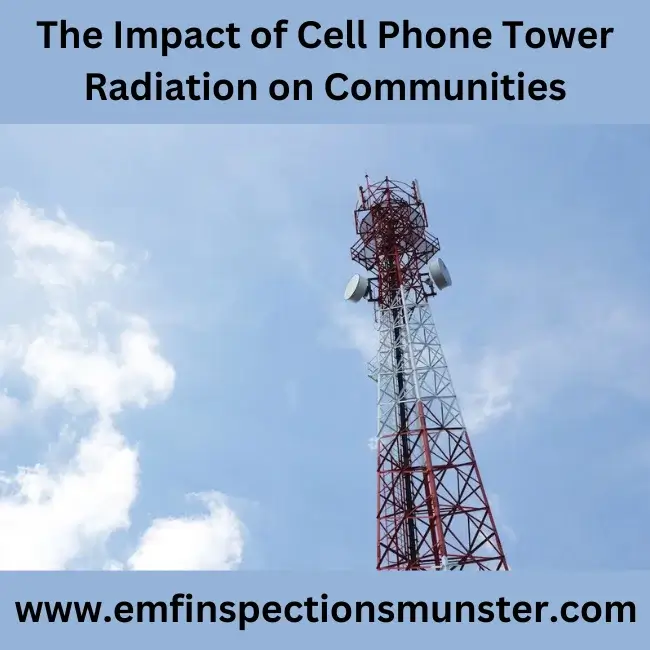
    Cell phone towers, also known as base stations or cell sites, are essential components of mobile communication networks. They transmit and receive signals to enable mobile devices, such as smartphones, to function seamlessly. These towers emit radiofrequency electromagnetic fields as they facilitate the transfer of information between mobile devices and the network.

    Potential Health Concerns:

    The concerns surrounding RF-EMF exposure from cell phone towers revolve around the potential health implications of prolonged exposure to these electromagnetic fields. Some of the concerns include:

    Cancer Risk: Some studies have suggested possible links between long-term RF-EMF exposure and an increased risk of certain cancers, particularly brain tumors and other head and neck cancers. However, the scientific community remains divided on the conclusive evidence of such associations.

    Electromagnetic Hypersensitivity (EHS): Some individuals claim to experience symptoms they associate with electromagnetic hypersensitivity (EHS) when in close proximity to cell phone towers or other electromagnetic sources. EHS is a controversial condition, and scientific research on its existence and mechanisms is inconclusive.

    Neurological and Cognitive Effects: There is ongoing research into the potential impact of RF-EMFs on neurological functions and cognitive performance. Some studies have reported subtle effects on brain activity, memory, and attention, but more research is needed to establish causality.

    Regulatory Standards and Guidelines:

    To address public concerns and ensure public safety, regulatory bodies around the world set exposure limits for RF-EMFs emitted by cell phone towers and other wireless communication sources. In Ireland, including Waterford, the regulatory authority ComReg (Commission for Communications Regulation) enforces safety guidelines based on recommendations from the International Commission on Non-Ionizing Radiation Protection (ICNIRP).
    The exposure limits are designed to ensure that RF-EMFs remain well below levels where known adverse health effects may occur. Compliance with these safety guidelines ensures that cell phone towers in Waterford and across Ireland operate within safe exposure limits.

    Mitigation Measures:

    For individuals concerned about potential exposure to RF-EMFs from cell phone towers, several mitigation measures can be considered:
    Distance: Increasing the distance between yourself and cell phone towers can reduce your exposure levels.
    Shielding: Shielding materials can be used to minimize RF-EMF penetration into certain areas, such as homes or workplaces.
    Use Hands-Free Devices: Using hands-free devices, such as earphones or speakerphone, can reduce direct exposure to RF-EMFs when using mobile devices.
    Limiting Screen Time: Reducing the time spent on mobile devices can also lower overall RF-EMF exposure.

    Conclusion:

    As the city of Waterford embraces advancements in communication technology, understanding the potential effects of RF-EMF radiation from cell phone towers becomes essential. While concerns about health effects persist, the current scientific consensus suggests that RF-EMFs from cell phone towers, when compliant with regulatory guidelines, are unlikely to pose significant risks to public health. However, ongoing research and public awareness remain vital to ensure that technological advancements are balanced with safety considerations. As we navigate the digital landscape, staying informed and implementing simple precautionary measures can empower us to make well-informed choices for our health and well-being in Waterford and beyond.

  • Feeling the Waves: What Happens When You Encounter Electromagnetic Fields

    Feeling the Waves: What Happens When You Encounter Electromagnetic Fields

    In our technologically advanced world, we are constantly surrounded by electromagnetic fields (EMFs) emitted by electronic devices, power lines, and wireless communication systems. While these invisible waves are essential for modern communication and convenience, they also interact with our bodies in various ways.dirty electricity cork  In this blog, we will explore what happens when you encounter electromagnetic fields and the potential implications for your health.


    Understanding Electromagnetic Fields:

    Electromagnetic fields are produced by the movement of electrically charged particles. They consist of electric fields, which are created by voltage differences, and magnetic fields, which are generated by the flow of electric currents. These fields are present in both natural and man-made sources, ranging from the Earth’s magnetic field to the EMFs generated by everyday electronic devices.


    Interaction with the Human Body:

    When you encounter electromagnetic fields, your body interacts with them on a cellular level. Human cells communicate through electrical signals, and the external EMFs can interfere with this communication process. The degree of interaction depends on the frequency and intensity of the EMFs and the duration of exposure.

    Skin and Peripheral Nervous System:

    At low frequencies, like those found in power lines and household appliances, EMFs generally do not penetrate deeply into the body. Instead, they mostly affect the skin and peripheral nervous system. Some individuals may report sensations like tingling or warmth when they are in close proximity to strong electromagnetic sources.

    Tissues and Organs:

    As the frequency increases, such as in radiofrequency radiation emitted by cell phones and Wi-Fi, the penetration depth into the body increases as well. These higher-frequency EMFs can reach deeper tissues and organs, potentially affecting them on a cellular level.

    Central Nervous System:

    There is ongoing research into how EMFs, particularly from mobile phones and wireless devices, may affect the central nervous system. Some studies suggest that prolonged exposure to EMFs may have subtle effects on brain function, including changes in brain activity and cognitive performance. However, the scientific consensus on this matter is still evolving, and further research is needed to draw definitive conclusions.

    Health Implications:

    The potential health implications of EMF exposure have been a subject of debate and research for decades. While some studies have reported associations between high EMF exposure and health issues, the evidence remains inconclusive and controversial. Some of the common health concerns associated with EMFs include:

    Cancer: Several studies have investigated the potential link between EMFs and cancer, especially brain tumors. While some studies suggest a possible association, the overall scientific evidence has not established a direct causal relationship.

    Sleep Disturbances: Exposure to EMFs, particularly from electronic devices in close proximity to the sleeping area, has been associated with sleep disturbances and insomnia. Reducing EMF exposure before bedtime may help improve sleep quality.

    Electromagnetic Hypersensitivity: Some individuals report experiencing a range of symptoms when exposed to EMFs, known as electromagnetic hypersensitivity. These symptoms may include headaches, fatigue, dizziness, and difficulty concentrating. The scientific understanding of this condition is still evolving, and further research is needed to understand its mechanisms and potential triggers.

    Conclusion:

    As technology continues to advance, our exposure to electromagnetic fields becomes an inevitable part of daily life. While the potential health implications of EMFs remain a topic of ongoing research and debate, it is essential to stay informed and adopt precautionary measures where possible. Limiting unnecessary exposure, using hands-free options for mobile devices, and creating EMF-safe zones in our homes are practical steps to minimize potential risks.


    As the scientific community continues to investigate the effects of EMF exposure on the human body, it is crucial to strike a balance between embracing the benefits of technology and safeguarding our health and well-being. By understanding how electromagnetic fields interact with our bodies and staying informed about the latest research, we can make informed decisions to promote a healthier and more mindful approach to technology usage in our modern world.

  • Empowering Wellness: Practical Steps to Minimize EMF Exposure

    Empowering Wellness: Practical Steps to Minimize EMF Exposure

    Harmful EMF Radiation Cork : In our modern world, we are surrounded by an ever-increasing number of electronic devices that emit electromagnetic fields (EMFs). While the full extent of their impact on our health is still being researched, many individuals are taking proactive steps to minimize their exposure to EMFs. By adopting practical strategies to reduce EMF exposure, we can empower our wellness and create a healthier environment for ourselves and our loved ones. Here are some practical steps you can take:

    Identify EMF Sources:

    Start by identifying the main sources of EMFs in your environment. Common sources include Wi-Fi routers, cell phones, laptops, wireless devices, and power lines. Knowing the key sources will help you prioritize your efforts to minimize exposure.

    Distance Matters:

    One effective way to reduce EMF exposure is to increase the distance between yourself and the EMF-emitting devices. For example, keep your cell phone away from your body when not in use, use speakerphone or wired headsets, and avoid carrying it in your pocket. Similarly, sit further away from Wi-Fi routers and limit prolonged exposure to devices like laptops and tablets.

    Hardwire Connections:

    Whenever possible, opt for wired connections instead of relying on wireless technology. For instance, use an Ethernet cable to connect your computer to the internet rather than Wi-Fi. This reduces your exposure to the constant EMF emissions from wireless networks.

    Create EMF-Free Zones:

    Designate certain areas in your home as EMF-free zones. For example, consider creating a bedroom sanctuary where you minimize electronic devices and keep them at a distance from your sleeping area. This allows you to have a restful and rejuvenating sleep without unnecessary exposure to EMFs.

    Turn Off Wi-Fi at Night:

    During the night, when you’re not actively using the internet, consider turning off your Wi-Fi router. This not only reduces your exposure but also promotes better sleep quality, as the EMF emissions are eliminated from your sleeping environment.

    Limit Screen Time:

    Reduce your screen time and encourage your family members to do the same, especially before bedtime. This not only reduces EMF exposure but also promotes better sleep and overall well-being.

    Use EMF-Reducing Products:

    Consider using EMF-reducing products, such as shielded phone cases, laptop pads, or EMF-blocking curtains. These products are designed to help mitigate the impact of EMFs by redirecting or absorbing the radiation.

    Grounding and Earthing:

    Spend time connecting with nature and practice grounding techniques. Walking barefoot on grass or sand, or hugging a tree, can help discharge any excess EMFs accumulated in your body and promote a sense of well-being.

    Educate Yourself and Others:

    Stay informed about the latest research and developments regarding EMFs. Educate yourself and your loved ones about the potential risks and practical steps to minimize exposure. By raising awareness, you can empower others to make informed choices for their well-being.

    Seek Professional Help:

    If you are particularly concerned about EMF exposure or if you live in an area with high EMF levels, consider consulting with a professional EMF consultant. They can assess your environment, provide expert advice, and suggest specific solutions tailored to your needs.

    By implementing these practical steps, you can take control of your environment and minimize your exposure to EMFs. While complete avoidance may be challenging in our technology-driven world, every effort to reduce exposure is a step towards empowering your wellness and promoting a healthier lifestyle. Prioritize your well-being and create a harmonious balance between technology and a healthy living environment.

  • 5G Technology: Exploring the Controversies and Health Implications

    5G Technology: Exploring the Controversies and Health Implications

    Mobile tower radiation Cork the advent of 5G technology promises faster speeds, increased connectivity, and improved efficiency for our digital world. However, it has also sparked controversies and concerns regarding potential health implications. In this blog, we will delve into the controversies surrounding 5G technology and explore the current understanding of its health implications.

    5G Technology: A Brief Overview

    5G, or fifth-generation technology, is the latest advancement in wireless communication networks. It aims to provide faster data transfer rates, reduced latency, and increased capacity compared to previous generations. By utilizing higher frequency bands and smaller cell sizes, 5G technology promises to transform various industries and enhance our connected lives.

    Controversies Surrounding 5G:

    Electromagnetic Radiation (EMR) Exposure:

    One of the primary concerns associated with 5G technology is the potential increase in electromagnetic radiation exposure. The deployment of 5G requires a higher density of small cell towers, which can result in closer proximity to individuals. Critics argue that prolonged exposure to the higher frequency millimeter waves used in 5G may have adverse health effects.

    Lack of Long-Term Studies:

    Another point of contention is the limited availability of long-term studies on the health effects of 5G technology. As 5G is relatively new, there is a lack of comprehensive research evaluating its potential long-term impacts on human health. Critics argue that this knowledge gap calls for a cautious approach.

    Current Understanding of Health Implications:

    Regulatory Standards and Guidelines:
    International regulatory bodies, including the World Health Organization (WHO) and the International Commission on Non-Ionizing Radiation Protection (ICNIRP), have established guidelines to ensure that EMR exposure remains within safe limits. These organizations continue to monitor research and update guidelines accordingly.

    No Established Causal Link:

    To date, no conclusive evidence establishes a direct causal link between 5G technology and adverse health effects. Research on the health implications of electromagnetic radiation is ongoing, and the available scientific literature suggests that 5G technology is unlikely to pose unique risks compared to previous generations.

    Potential Benefits to Healthcare:

    While controversies exist, proponents of 5G technology highlight its potential benefits in healthcare, including improved telemedicine capabilities, remote monitoring, and advancements in medical research. These applications have the potential to revolutionize healthcare delivery and improve patient outcomes.

    Monitoring and Research:

    As 5G technology continues to be deployed, ongoing monitoring and research are crucial. Scientists and regulatory bodies need to conduct comprehensive studies to evaluate any potential health risks associated with 5G and ensure that regulatory guidelines remain up-to-date and protective of public health.

    Conclusion:

    The controversies surrounding 5G technology’s health implications highlight the importance of continued research, monitoring, and regulatory oversight. While concerns exist regarding increased electromagnetic radiation exposure, the current scientific understanding suggests that 5G technology, when implemented within established safety guidelines, is unlikely to pose unique health risks compared to previous wireless technologies.

    As technology evolves, it is vital to strike a balance between embracing innovation and ensuring the safety and well-being of individuals. Ongoing scientific research and adherence to regulatory standards will provide a clearer understanding of the health implications of 5G technology. By staying informed, engaging in responsible dialogue, and monitoring developments, we can navigate the controversies surrounding 5G and make informed decisions that prioritize both technological advancements and public health.

  • EMF Inspection in Cork: Ensuring a Safe and Healthy Living Environment

    EMF Inspection in Cork: Ensuring a Safe and Healthy Living Environment

    In the modern world, we are surrounded by an ever-growing array of electronic devices and technologies that emit electromagnetic fields (EMFs). These electromagnetic fields are invisible, yet they play a significant role in our daily lives. From household appliances to Wi-Fi routers and cell phone towers, EMFs are an integral part of our connected lifestyles. However, there is increasing concern about the potential health effects of prolonged exposure to these electromagnetic fields. In Cork, as in other places, EMF inspections have become crucial in ensuring a safe and healthy living environment for residents. In this blog, we will explore the importance of EMF inspection in Cork and its role in safeguarding our well-being.

    Understanding Electromagnetic Fields:

    Electromagnetic fields are generated by the movement of electrically charged particles and are present in both natural and man-made sources. Low-frequency EMFs are emitted by power lines, household appliances, and electrical devices, while radiofrequency EMFs are produced by wireless communication systems, including cell phones, Wi-Fi routers, and cell phone towers.

    Potential Health Concerns:

    The concerns surrounding EMFs revolve around the possible health implications of long-term exposure to these fields. While scientific research on this topic is ongoing, some studies have reported associations between high levels of EMF exposure and certain health conditions. These concerns include:

    Cancer Risk: Some studies have explored a potential link between prolonged EMF exposure and an increased risk of certain cancers, particularly childhood leukemia and brain tumors. However, the evidence is inconclusive, and further research is needed to establish a definitive connection.

    Electromagnetic Hypersensitivity (EHS): Some individuals report experiencing symptoms such as headaches, fatigue, and dizziness when exposed to EMFs. This condition is known as electromagnetic hypersensitivity (EHS), but its existence and underlying mechanisms remain a subject of debate within the scientific community.

    Sleep Disruptions: EMF exposure, especially from devices in close proximity to sleeping areas, has been associated with sleep disturbances and disruptions in sleep patterns.

    Reproductive Health: There is ongoing research into the potential impact of EMFs on reproductive health, including fertility and adverse pregnancy outcomes. While some studies have indicated possible associations, further investigation is required for conclusive findings.

    The Role of EMF Inspection:

    EMF inspection is a proactive approach to address these concerns and ensure the safety of residents in Cork. Certified professionals equipped with specialized equipment conduct EMF inspections to assess and measure the levels of electromagnetic fields in various environments, including homes, schools, and workplaces.

    Identifying High EMF Areas: EMF inspections help identify areas with elevated EMF levels, enabling residents and businesses to take informed actions to minimize exposure. This could involve rearranging furniture, repositioning electrical devices, or relocating workspaces.

    Regulatory Compliance: EMF inspections ensure compliance with safety guidelines and regulations set by national and international authorities. Regulatory standards dictate safe exposure limits for various frequencies and EMF sources, and inspections ensure adherence to these limits.

    Peace of Mind: For individuals concerned about potential health effects, an EMF inspection provides peace of mind by offering an objective assessment of the EMF levels in their living or working environment.

    Mitigation Measures: In situations where EMF levels are found to exceed safe limits, the inspection report may recommend mitigation measures to reduce exposure, such as installing shielding materials or relocating certain devices.

    Conclusion:

    EMF inspection plays a crucial role in Cork’s effort to ensure a safe and healthy living environment for its residents. While the concerns surrounding EMFs warrant ongoing research and monitoring, inspections provide valuable insights into exposure levels and allow for proactive measures to minimize potential risks. By staying informed and taking proactive steps, individuals and communities can strike a balance between enjoying the benefits of technology and maintaining their well-being in an increasingly connected world.

  • Exploring the Concerns: Potential Effects of Cell Phone Tower Radiation in Cork

    Exploring the Concerns: Potential Effects of Cell Phone Tower Radiation in Cork

    In today’s hyper-connected world, cell phone towers have become an integral part of modern communication networks. These towering structures, adorned with antennas and transmitters, facilitate seamless mobile connectivity, enabling us to stay connected with our loved ones and access information with unprecedented ease. However, as the number of cell phone towers continues to increase, so does the concern about potential health effects related to their radiation emissions. In this blog, we will delve into the concerns surrounding cell phone tower radiation in Cork and explore the current scientific understanding of its potential effects on human health.

    Understanding Cell Phone Tower Radiation:

    Cell phone towers emit radiofrequency (RF) electromagnetic radiation, commonly referred to as non-ionizing radiation. This type of radiation is considered relatively low-energy and does not have enough energy to directly break chemical bonds or ionize atoms, unlike ionizing radiation from sources like X-rays or gamma rays.

    The Concerns:

    Electromagnetic Sensitivity:

    Some individuals claim to experience symptoms they associate with electromagnetic sensitivity when in close proximity to cell phone towers. Common symptoms include headaches, fatigue, sleep disturbances, and dizziness. However, the scientific community is divided on the existence of electromagnetic sensitivity, with research results being inconclusive.

    Cancer Risk:

    A topic of ongoing research and debate is whether prolonged exposure to cell phone tower radiation increases the risk of certain cancers, particularly brain tumors. Some studies have reported associations between high levels of RF radiation exposure and an increased risk of brain tumors, while others have found no significant correlation.

    Reproductive Health:

    Concerns have also been raised about potential impacts on reproductive health, including reduced sperm quality in men and adverse pregnancy outcomes. However, like the cancer risk, the evidence remains inconclusive and warrants further investigation.

    Current Scientific Understanding:

    The World Health Organization (WHO) and other reputable health organizations have conducted comprehensive assessments of cell phone tower radiation and its potential health effects. As of my last knowledge update in September 2021, the consensus is that there is no conclusive evidence to establish a direct causal link between cell phone tower radiation and adverse health effects.

    The International Commission on Non-Ionizing Radiation Protection (ICNIRP) has established guidelines to ensure that exposure to RF radiation remains within safe limits. These guidelines take into account the potential health risks and are regularly updated based on the latest research findings.

    Minimizing Exposure:

    To address public concerns and ensure safe practices, regulatory bodies around the world set safety standards for cell phone tower emissions. In Cork , as in other regions, cell phone towers must adhere to these standards to limit human exposure to RF radiation. Regulatory agencies also enforce setback distances between cell phone towers and residential areas to reduce exposure levels.

    Conclusion:

    As the world embraces advanced communication technologies, it is essential to address public concerns about cell phone tower radiation responsibly. While scientific research on the subject is ongoing, current evidence suggests that cell phone tower radiation within regulatory limits is unlikely to pose significant health risks to the general population. However, as a precautionary measure, it’s advisable to maintain a reasonable distance from cell phone towers, and continuous monitoring and research should remain a priority to ensure public safety and well-being.

  • Why is EMF Inspection in Dublin Important?

    Why is EMF Inspection in Dublin Important?

    Electromagnetic fields (EMFs) are all around us. They are created by power lines, electronic devices, and even the sun. While low-level exposure to EMFs is generally considered safe, there is growing concern over the potential health effects of prolonged exposure to high levels of EMFs. This is where EMF inspections come in.

    What is EMF Inspection?

    EMF inspection involves the measurement and evaluation of the electromagnetic fields present in a given environment. The purpose of the inspection is to determine the levels of EMFs present and whether they are within safe limits as recommended by regulatory bodies.

    EMF inspections in Dublin are typically carried out in a variety of settings, including residential homes, offices, schools, and healthcare facilities. They are also required in industrial settings where high levels of EMFs are common, such as power plants and electrical substations.

    Why is EMF Inspection Important?

    The importance of EMF inspection lies in its ability to help us understand the potential risks associated with prolonged exposure to high levels of EMFs. While there is still much we don’t know about the long-term effects of EMF exposure, there is growing concern that it may increase the risk of certain health problems, including cancer, infertility, and neurological disorders.

    EMF inspection can also help identify potential sources of high EMF levels, allowing for targeted measures to reduce exposure. This is especially important in settings where vulnerable populations, such as children and pregnant women, may be present.

    What Does EMF Inspection Involve?

    EMF inspection typically involves a few basic steps:

    Site Assessment: The first step is to assess the site to determine the potential sources of EMFs. This may involve a visual inspection of the area, as well as a review of any available documentation related to EMF emissions.

    Measurement: Once potential sources of EMFs have been identified, measurements are taken using specialized equipment designed to detect and measure EMF levels. This equipment may include gaussmeters, EMF meters, and spectrum analyzers.

    Evaluation: The results of the measurements are then evaluated to determine whether EMF levels are within safe limits as recommended by regulatory bodies.

    Recommendations: Based on the results of the evaluation, recommendations may be made to reduce EMF exposure. This may include measures such as relocating electronic devices or installing shielding.

    Who Conducts EMF Inspection?

    EMF inspections are typically conducted by professionals with specialized training and equipment. This may include engineers, electricians, or specialized EMF inspectors.

    It is important to ensure that the individual conducting the inspection is properly trained and experienced in EMF measurement and evaluation. They should also be able to provide clear and accurate results, as well as recommendations for reducing EMF exposure.

    Conclusion

    EMF inspection is an important tool in helping us understand the potential risks associated with prolonged exposure to high levels of EMFs. By identifying potential sources of high EMF levels and providing recommendations for reducing exposure, EMF inspection can help protect vulnerable populations and ensure that we are living and working in safe environments. If you are concerned about EMF exposure in your home or workplace, consider consulting with a professional EMF inspector to help you better understand the risks and take steps to protect yourself and those around you.

  • Link Between EMF Exposure and Cancer

    Link Between EMF Exposure and Cancer

    The relationship between electromagnetic fields (EMF) and cancer has been a topic of debate for many years. Some people believe that EMF exposure can cause cancer, while others argue that there is no conclusive evidence to support this claim. In this blog post, we will explore the scientific evidence behind the potential link between EMF exposure and cancer.

    What is EMF?

    EMF is a type of energy that is created by the movement of electrically charged particles. This energy can be found in many forms, including radio waves, microwaves, infrared radiation, visible light, ultraviolet radiation, X-rays, and gamma rays. Some common sources of EMF include power lines, cell phones, Wi-Fi routers, and microwave ovens.

    What is cancer?

    Cancer is a disease that occurs when cells in the body grow and divide uncontrollably, forming tumors that can invade and damage nearby tissues and organs. There are many different types of cancer, each with its own unique set of symptoms, causes, and treatments.

    The Link Between EMF and Cancer

    The potential link between EMF exposure and cancer has been the subject of numerous studies over the years. Some studies have suggested that EMF exposure may increase the risk of certain types of cancer, such as brain cancer and leukemia, while others have found no evidence of a connection.

    One of the most well-known studies on the topic was conducted by the International Agency for Research on Cancer (IARC) in 2011. The study evaluated the evidence on the carcinogenicity of EMF, and concluded that there was limited evidence to support a possible link between EMF exposure and brain cancer.

    Another study published in the Journal of the National Cancer Institute in 2012 found that exposure to magnetic fields from power lines and electrical appliances may be associated with an increased risk of childhood leukemia. However, the study authors noted that the overall risk was small, and that more research was needed to confirm the findings.

    In 2018, the National Toxicology Program (NTP) released the results of a study on the potential link between EMF exposure and cancer in rats. The study found that exposure to high levels of radiofrequency radiation (RFR) from cell phones was associated with an increased risk of certain types of tumors in male rats. However, the study also noted that the findings may not be applicable to humans, and that further research was needed to clarify the relationship between RFR and cancer.

    Despite the mixed results of these studies, many experts agree that more research is needed to fully understand the potential link between EMF exposure and cancer. In the meantime, there are some steps you can take to reduce your exposure to EMF:

    Keep your cell phone away from your body when it’s not in use.
    Use a headset or speakerphone when making calls on your cell phone.
    Limit your use of Wi-Fi routers and other wireless devices.
    Use a wired internet connection whenever possible.
    Avoid sleeping near power lines or other sources of EMF.

    Conclusion

    The potential link between EMF exposure and cancer is a complex and controversial topic that requires further research to fully understand. While some studies have suggested a possible connection between EMF and cancer, others have found no evidence of a link. In the meantime, it’s important to take steps to reduce your exposure to EMF, especially from sources like cell phones and Wi-Fi routers. If you have concerns about your EMF exposure and cancer risk, it’s a good idea to talk to your healthcare provider for more information.

  • Recognizing The Potential Risks Associated With EMF

    Recognizing The Potential Risks Associated With EMF

    As an electromagnetic radiation specialist, my job is to study the properties and behavior of electromagnetic waves, which are a fundamental component of the universe around us. Electromagnetic radiation is all around us, from radio waves that we use to communicate, to the visible light that enables us to see, to the X-rays that we use in medical imaging. In this blog post, We delve into the fascinating world of electromagnetic radiation and explore its many properties and applications.

    At its core, electromagnetic radiation is a form of energy that travels through space as waves. These waves are made up of both electric and magnetic fields that oscillate perpendicular to one another, giving the radiation its characteristic properties. The energy of the radiation is directly proportional to the frequency of the wave, with higher frequencies corresponding to more energetic radiation.

    One of the most familiar forms of electromagnetic radiation is visible light, which makes up only a tiny fraction of the total electromagnetic spectrum. The colors of the rainbow are a visible representation of the different frequencies of light, with red light having the lowest frequency and violet light having the highest. Beyond the visible spectrum, there are many other forms of electromagnetic radiation, each with its own unique properties and applications.

    Radio waves are another type of electromagnetic radiation that are widely used for communication purposes. These waves have much lower frequencies than visible light, and they can easily penetrate through walls and other barriers, making them ideal for long-distance communication. Radio waves are used in everything from cell phones and Wi-Fi routers to television and radio broadcasts.

    At the other end of the spectrum are high-energy forms of electromagnetic radiation, such as X-rays and gamma rays. These waves have very short wavelengths and very high frequencies, which makes them extremely energetic and potentially dangerous to living organisms. X-rays are commonly used in medical imaging to visualize the internal structures of the body, while gamma rays are produced by radioactive materials and can be used for cancer treatment.

    In addition to their many practical applications, electromagnetic waves also have a wide range of scientific uses. Astronomers use radio waves to study the universe, including mapping the distribution of dark matter and searching for extraterrestrial life. The study of electromagnetic radiation has also contributed greatly to our understanding of the nature of light itself, and it has played a key role in the development of many areas of modern physics, including quantum mechanics.

    As an electromagnetic radiation specialist, I spend much of my time studying the properties and behavior of these waves. This involves designing and conducting experiments to measure the properties of different types of radiation, as well as developing new technologies for manipulating and controlling the waves. It is a fascinating and constantly evolving field that has many exciting possibilities for the future.

    However, it is also important to recognize the potential risks associated with exposure to certain forms of electromagnetic radiation. High-energy forms of radiation, such as X-rays and gamma rays, can be harmful to living organisms, and it is important to take precautions to minimize exposure. This is particularly important in fields such as medicine, where radiation exposure can have serious health consequences.

    In conclusion, electromagnetic radiation is a fundamental component of the universe around us, with a wide range of properties and applications. As an electromagnetic radiation specialist, I am continually fascinated by the many ways in which these waves can be harnessed and manipulated for practical and scientific purposes. However, it is also important to recognize the potential risks associated with exposure to certain forms of radiation, and to take appropriate precautions to minimize these risks. Overall, the study of electromagnetic radiation is a vital and exciting field with many possibilities for the future.

  • Building Biologist Ireland: Improving EMF Exposure

    Building Biologist Ireland: Improving EMF Exposure

    As humans, we spend a significant amount of time indoors. According to the Environmental Protection Agency (EPA), the average American spends about 90% of their time indoors. With such a large portion of our lives spent indoors, it is crucial to ensure that our indoor environment is safe and healthy. Unfortunately, many homes and buildings in Ireland have indoor air quality issues that can negatively impact the health of their occupants. This is where Building Biologist Ireland comes in.

    Building Biologist Ireland specializes in assessing and improving the indoor air quality of homes and buildings. They use a holistic approach that takes into account various factors that can affect indoor air quality, including building materials, ventilation, mold, and electromagnetic fields (EMF). Their goal is to create healthy indoor environments that promote wellbeing and comfort.

    One of the primary services that Building Biologist Ireland offers is a comprehensive building assessment. During this assessment, they evaluate the building’s air quality, water quality, electromagnetic fields, and building materials. They also look for potential sources of indoor air pollution, such as mold, chemicals, and allergens. Once the assessment is complete, they provide recommendations for improving the indoor environment.

    One significant indoor air quality issue that Building Biologist Ireland addresses is mold. Mold can grow in damp environments and can cause a range of health problems, including respiratory issues, headaches, and fatigue. Building Biologist Ireland uses a variety of methods to detect mold, including air sampling, surface testing, and moisture measurement. They also provide recommendations for remediation and prevention.

    Another important aspect of indoor air quality that Building Biologist Ireland addresses is electromagnetic fields (EMF). EMF is produced by devices such as Wi-Fi routers,power lines and cell phones . While the health effects of EMF are still being studied, some studies have suggested that high levels of EMF exposure may increase the risk of certain cancers and other health problems. Building Biologist Ireland can measure EMF levels in homes and buildings and provide recommendations for reducing exposure.

    Building materials are also a significant factor in indoor air quality. Many building materials contain chemicals that can off-gas and pollute the indoor air. Building Biologist Ireland can identify potentially harmful materials and recommend healthier alternatives. They can also provide guidance on how to choose healthy building materials for future construction or renovations.

    Improving indoor air quality is essential for creating a healthy indoor environment. Poor indoor air quality can lead to a range of health problems, including respiratory issues, headaches, fatigue, and allergies. By addressing indoor air quality issues, Building Biologist Ireland can help improve the health and wellbeing of occupants.

    In conclusion, Building Biologist Ireland is an effort dedicated to mimimizing the EMF exposure of homes and buildings in Ireland. It offers a range of services, including building assessments, mold detection and remediation, EMF measurements, and guidance on healthy building materials. By addressing indoor air quality issues, they can help create healthy indoor environments that promote wellbeing and comfort.

BOOK INSPECTION

Use our online form below to book an Inspection.

We will be in touch shortly to confirm.

If you have any questions about our home EMF Inspection please email us at [email protected]

BOOKING REQUEST

Find your Eircode here: https://finder.eircode.ie/